
Alliance Round-Up: REDs risk markers, heat and iron absorption, and more
Collaborators






Explore the latest Wu Tsai Human Performance Alliance findings
FEMALE ATHLETE
-
-
- Training in the heat may make it harder for female athletes to absorb iron | View
-
INJURY
-
-
- At one university, college athletes got hurt most during the first few weeks of the season | View
-
MUSCLE
-
-
- Sprinting and the Nordic hamstring exercise stress the hamstring in different ways | View
-
DIAGNOSTICS
-
-
- Clinical markers show promise for assessing REDs risk but a common hormone test falls short | View
-
MOLECULAR PHYSIOLOGY
REGENERATIVE REHABILITATION
Sign up for the Alliance newsletter and have the Round-Up delivered to your inbox.
Training in the heat may make it harder for female athletes to absorb iron
Physiological Reports | June 2026
About 35 percent of female athletes are iron deficient, compared with 10 percent of males. Part of the answer lies in a hormone called hepcidin: when the liver senses inflammation, it releases hepcidin, which blocks iron from crossing the gut into the bloodstream for a while. Kathryn Lucernoni, Christopher Minson, and colleagues asked whether training in the heat increases that iron block. Thirteen trained female runners ran at 70 percent of VO2max twice, once at 35°C and once at 11°C. Core temperature climbed twice as high in the heat, and three hours later hepcidin was roughly double the level after the cool run. The authors say the results point to season and environment as factors worth weighing in how athletes manage iron.
At one university, college athletes got hurt most during the first few weeks of the season
Scientific Reports | July 2026
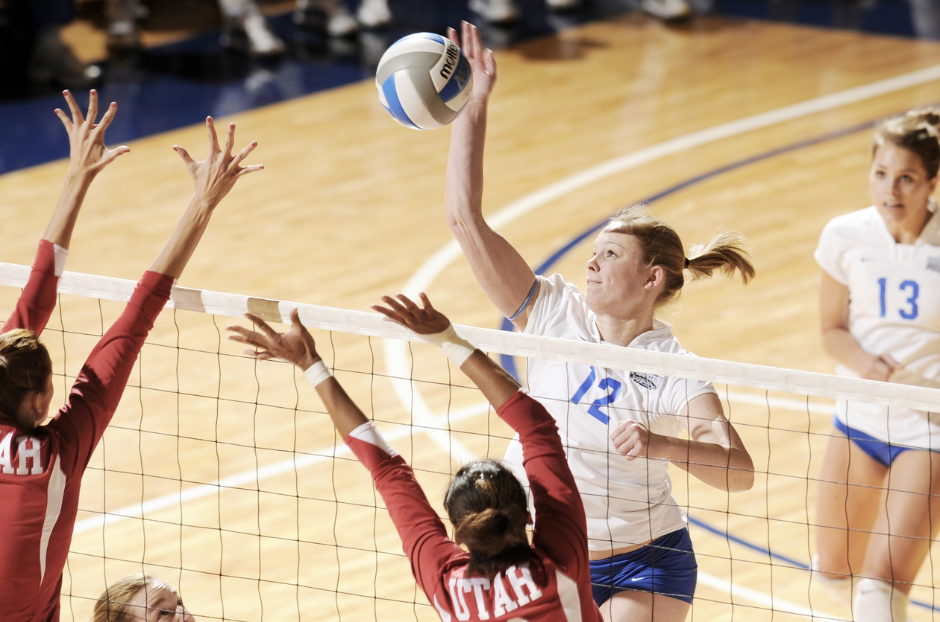
College athletes get hurt most often at the start of the season, not at the end of it. Dani Gonzalez, Samuel Ward, and colleagues at UC San Diego pulled eight years of injury records from 23 of the university’s teams, and analyzed the 4,900+ injuries to identify trends. They found injuries were most frequent in the opening weeks and fell about 4 percent with each week that followed. Every additional hour of weekly training came with an 8 percent higher injury rate. Gender mattered less than expected. The authors suggest that easing athletes into pre-season workloads may help prevent injuries.
Canva Pro Images
Sprinting and the Nordic hamstring exercise stress the hamstring in different ways
Journal of Biomechanics | May 2026
The Nordic hamstring curl is the go-to exercise for preventing hamstring strains, but new research suggests athletes may also need sprinting exercises to minimize injury risk. Kristen Steudel, Scott Delp, and colleagues built computer models of 14 athletes, each sprinting on a treadmill and also doing Nordic curls. The goal? To estimate how far the biceps femoris – the hamstring muscle that tears most often – was stretched during each exercise. Both exercises made the muscle work about equally hard to slow the body down, but challenged the muscle in different ways. The Nordic exercise builds the muscle’s ability to handle load; sprinting prepares it for the speeds where strains actually occur.
Learn more: Wu Tsai Human Performance Alliance news story
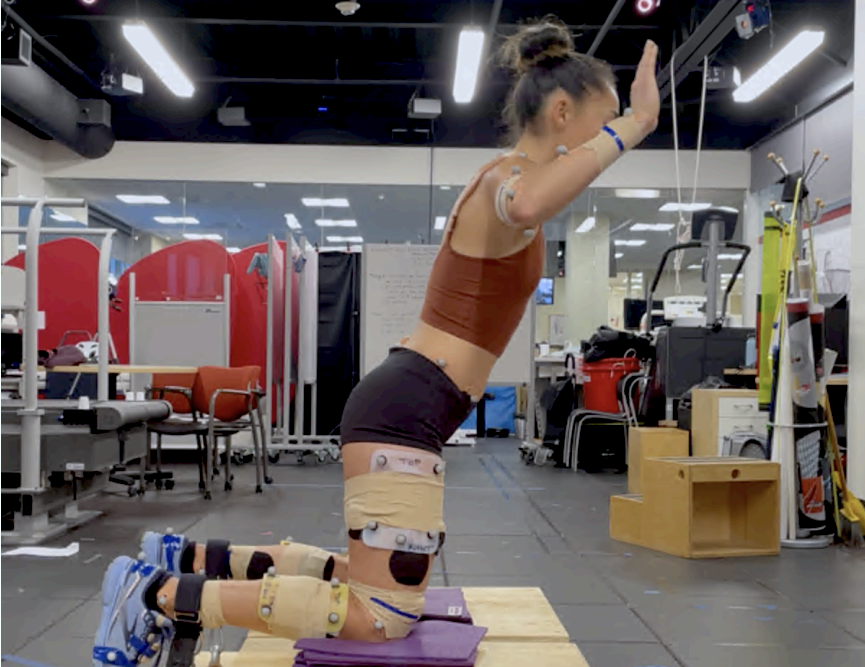
Image credit: Julie Muccini. Experimental setup for assessing biomechanical measures during the Nordic Hamstring Exercise.
Clinical markers show promise for assessing REDs risk but a common hormone test falls short
Scandinavian Journal of Medicine & Science in Sports | July 2026
Relative Energy Deficiency in Sport (REDs) is caused by low energy availability, which occurs when athletes consistently take in less energy than they need to meet the demands of training. Over time, low energy availability can negatively affect bone health, particularly increasing the risk of bone stress injuries, as well as hormone function and immunity. There’s no single test for it, so Ida Heikura, Trent Stellingwerff, and colleagues tested 213 national- and world-level athletes to see whether other novel, but routine clinical measurements could accurately categorize the risk and severity of REDs. They compared their novel indicators against the categories defined by the International Olympic Committee’s assessment tool CAT2 (green, yellow, orange, and red). Most measurements were able to separate the most severe (red) from the very low or no risk (green) categories. However, there were not enough athletes in the more severe categories (orange, red) to judge whether the markers work as clinically validated stand-alone indicators. The team also tested a hormone-based assessment that’s often used in the field, which treats T3 and testosterone levels in the bottom quarter of the normal range as an early warning sign. It didn’t hold up: no single cutoff reliably identified athletes at risk. The authors call their findings exploratory and point toward assessments built around the individual athlete.
The timing of training may shape gains
Journal of Applied Physiology | June 2026
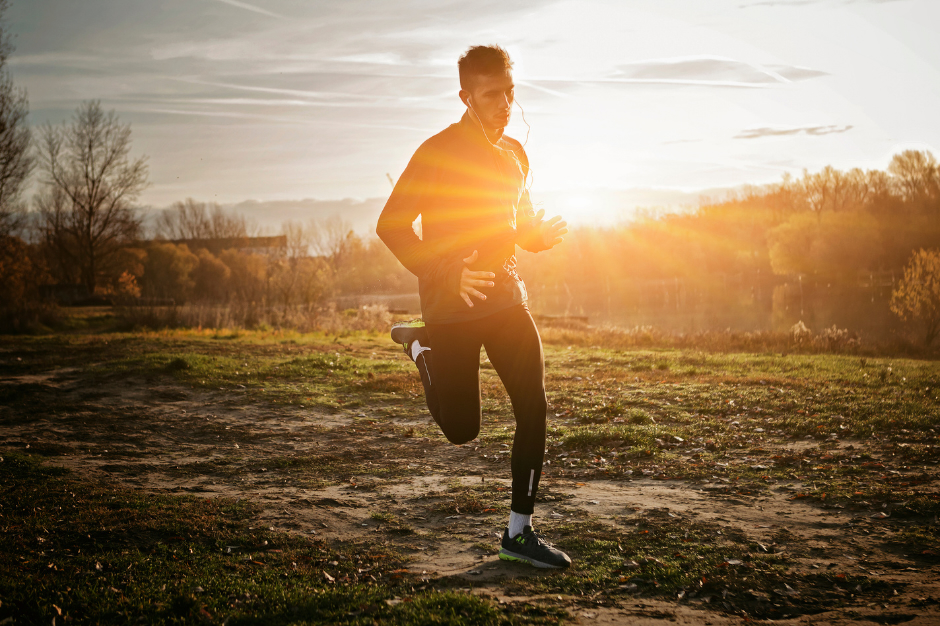
Every muscle cell carries a molecular clock running on a roughly 24-hour cycle that supports the natural peaking of endurance later in the waking hours. Alliance agility project awardee Karyn Esser and colleagues at the University of Florida asked whether training at an off-peak hour can shift that molecular clock to match. They put mice on six weeks of treadmill running, with one group training early in its active phase and one later. Early-trained mice started with 83% less endurance than the late-trained group, but caught up within three weeks despite less total training, likely tied to a rise in COX IV, a mitochondrial energy protein, suggesting circadian adaptation to training time.
Learn more: Wu Tsai Human Performance Alliance news story
Canva Pro Images
A computer model reveals how different types of training reshape muscle mitochondria in distinct ways
The Journal of Physiology | August 2026
Mitochondria physically reshape themselves in response to exercise, splitting apart under stress and merging back together during recovery (fission-fusion). Ali Khalilimeybodi, Lingxia Qiao, Simon Schenk, Padmini Rangamani, and colleagues built a computational model to map how sprint, endurance, and resistance training each drive that process differently. Endurance training produced the most sustained remodeling, sprinting drove sharp but brief changes, and resistance the least. The model, validated at 80% accuracy against independent studies, also predicts that pairing an endurance base with one or two weekly HIIT sessions could maximize mitochondrial adaptation.
Why a torn Achilles may heal so poorly
Journal of Orthopaedic Research | May 2026
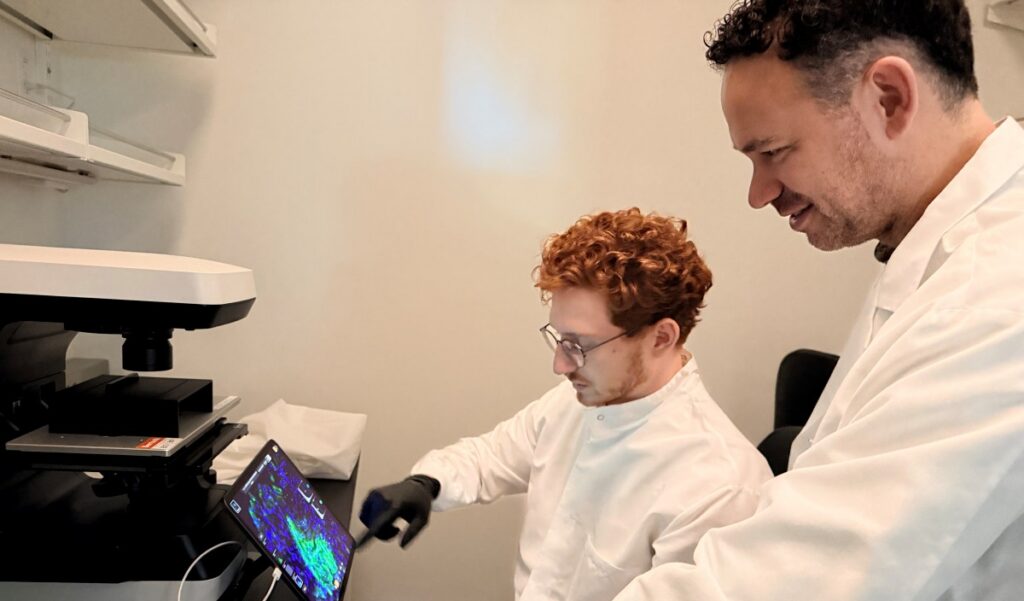
A standard explanation for why the Achilles tendon heals slowly and incompletely after rupture has been its poor blood supply. A study in rats from Jared Forer, Nick Willett and colleagues points to a second problem: lymphatic fluid that fails to drain out of the tissue. Using glowing dyes, the team found that in ruptured tendons, lymphatic drainage sped up at first, then slowed below healthy levels by eight weeks, even though weight-bearing, pain, and stiffness had all returned to normal. The researchers suspect getting fluid moving again, perhaps through the right rehabilitation exercises, might speed tendon healing.
Learn more: Wu Tsai Human Performance Alliance news story
Courtesy University of Oregon
Delivering healing signals in the right order matters as much as using the right signals
Biomacromolecules & Journal of Controlled Release | 2025–2026
Some regenerative therapies that succeed in the lab underperform in the clinic, and timing may be why. When tissue is injured, the body releases chemical signals called growth factors in a carefully timed sequence, and delivering them in the wrong order could undermine an otherwise promising treatment. Marian Hettiaratchi, Justin Svendsen, and colleagues engineered affibodies, proteins about one-tenth the size of an antibody, that grip specific growth factors and release them on a programmable delay, from minutes to days. Experiments leveraged this technology to stagger delivery of three growth factors involved in blood vessel repair and found it produced longer, more branched vessel networks than releasing all three at once.
Learn more: UO Knight Campus news story
Latest News
September 24, 2026
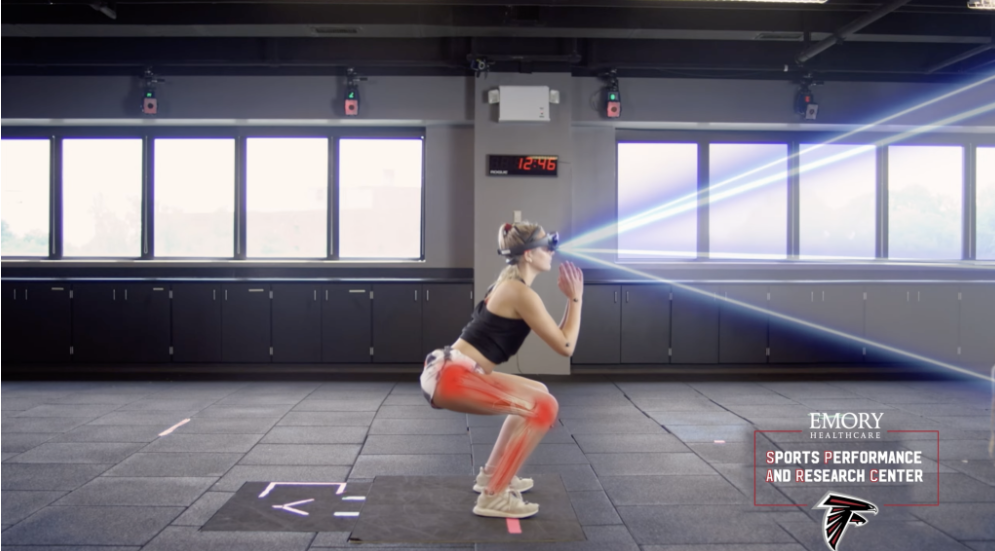
Wu Tsai Human Performance Alliance welcomes Emory Human Performance Institute, expanding Innovation Hub network
September 22, 2026
Alliance Round-Up: REDs risk markers, heat and iron absorption, and more

September 8, 2026
A wearable device tracked over 42,000 menstrual cycles. Here’s what researchers found
Get Engaged
Join our mailing list to receive the latest information and updates on the Wu Tsai Human Performance Alliance.