
Study suggests no need to time iron tests around menstrual cycle
By Sarah CP Williams
Canva Pro Images
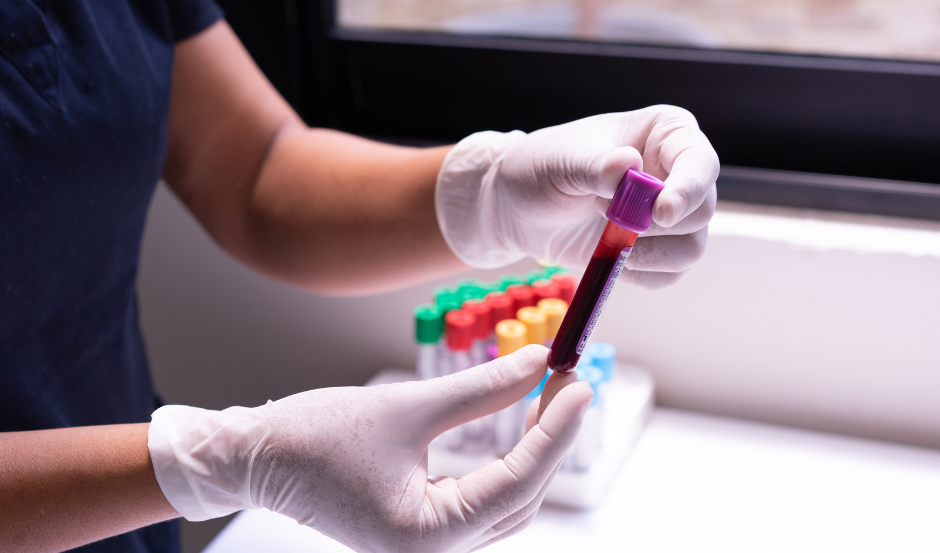
Iron deficiency affects more than a third of female athletes, yet not all active women get screened for iron levels. Coaches, clinicians, and athletes themselves have debated how and when to test, in part because of questions around whether blood draws need to be timed around the menstrual cycle to be meaningful.
New research says no. Just getting tested in the first place matters much more than when in the cycle a test is taken.
A small study funded in part by the Wu Tsai Human Performance Alliance found that two markers of iron status in athletes — ferritin and hemoglobin — did not change significantly throughout the menstrual cycle.
“We already know that female athletes are not getting enough blood tests and screenings done,” said Alannah McKay, a senior lecturer at Australian Catholic University and first author of the new paper, published in the International Journal of Sport Nutrition and Exercise Metabolism. “So it was nice to see that we should just be encouraging female athletes to go and get tested whenever they can rather than trying to time it around some perfect phase of the menstrual cycle.”
In the new study, McKay and colleagues followed 24 elite Australian rugby players from the National Rugby League Indigenous Women’s Academy, all attending an intensive, five-week training camp. Blood samples were collected through traditional blood draws at three time points during each athlete’s menstrual cycle, as well as using finger prick samples every 48 hours for 27 days.
Neither ferritin nor hemoglobin changed meaningfully throughout the menstrual cycle. Serum iron, a less stable marker that reflects how much iron is actively circulating and can shift based on factors like a recent meal, did change slightly. However, clinicians already put less weight in this value, so fluctuating levels are unlikely to change their overall diagnosis like ferritin and hemoglobin would.
What did impact iron levels was training load; the high-intensity training camp lowered iron across the board. Ferritin levels dropped about 16% during the five-week camp in all athletes, and by 25% when athletes who were already iron deficient at the start were excluded from the calculation. By the end of the camp, the proportion of athletes with iron deficiency had risen from roughly one in four to nearly half of the group.
“In a population that is training heavily every single day, there is a lot of muscle damage, there is a lot of inflammation, and those things are going to impact iron markers,” says McKay.
The researchers note that the findings come from a relatively small group of athletes in just one sport, so more work is needed to confirm that the results are true for other populations of female athletes. However, general approaches to combatting iron deficiency have already been studied more broadly.
To help prevent iron deficiency, the researchers say female athletes should eat well-chosen diets with sufficient dietary iron and overall calories. And they should get iron levels tested roughly every three months to catch any drops in iron before they become severe. And if a test does show low iron, a broader dietary intervention is recommended alongside supplements.
“Female athletes often limit their total energy intake due to concerns about their physique, being a fussy eater, or having limited funds or a poor food environment,” says senior author Louise Burke of Australian Catholic University. “So iron supplementation is best paired with advice from a sports dietitian to develop a tailored meal plan that integrates all the issues to prevent further problems.”
The study also found that female athletes using hormonal contraception tended to have elevated levels of C-reactive protein, a marker of systemic inflammation used to help interpret iron status, compared with those who weren’t on contraception. And the new data showed that finger-prick capillary samples showed strong agreement with traditional venous blood draws for all key iron markers, including ferritin. This suggests that finger-prick-based devices may be a viable option for women to track their iron status in the future.
“That would theoretically make iron screening much easier and cheaper for athletes. However much more work is needed to validate these point-of-care devices before they are recommended for use,” says McKay. “Our biggest message right now is that athletes are just screened and screened regularly for iron status rather than screened at a perfect timeframe.”
This study was funded as part of the Wu Tsai Human Performance Alliance’s Female Athlete Program and also by the Australian Institute of Sport.
Latest News
November 2, 2026
Study suggests no need to time iron tests around menstrual cycle

October 23, 2026
USA Rugby forms research partnership with Wu Tsai Alliance at UC San Diego ahead of LA 2028
September 24, 2026
Wu Tsai Human Performance Alliance welcomes Emory Human Performance Institute, expanding Innovation Hub network
Get Engaged
Join our mailing list to receive the latest information and updates on the Wu Tsai Human Performance Alliance.