
Symposium 2026 | The Molecular Basis of Performance: Insights from Novel Data and Sensors

The Molecular Basis of Performance: Insights from Novel Data and Sensors
New tools are revealing what drives performance at the molecular level. Speakers will present findings from large-scale studies and wearable sensors, spanning the genetics of elite endurance, the gut microbiome, continuous lactate monitoring, and how exercise reshapes proteins throughout the body.
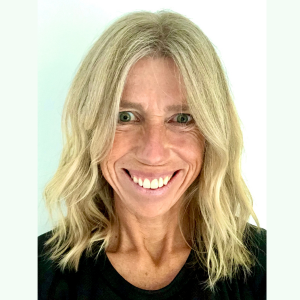
CO-MODERATOR
Ellen Kuhl, PhD
Ellen Kuhl is the Director of Stanford’s Bio-X and a professor of mechanical engineering and bioengineering, as well as a member of the Leadership Council of the Wu Tsai Human Performance Alliance at Stanford. She is pioneering a new generation of AI-driven approaches that unite physics-informed learning, automated science, and generative AI to discover the principles that govern living systems. She is a multiple All-American triathlete, passionate Berlin, Boston, Chicago, and New York marathon runner, and four-time Kona Ironman World Championship finisher.
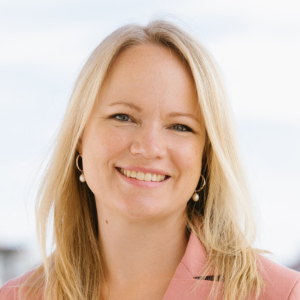
CO-MODERATOR
Emma Lundberg, PhD
Emma Lundberg is an associate professor of bioengineering and pathology at Stanford University and a professor at KTH Royal Institute of Technology in Sweden, where she directs the Cell Atlas of the Human Protein Atlas. Her lab combines bioimaging, proteomics, and AI to chart where proteins sit inside human cells and how that spatial organization drives cellular function. She is using those maps to build virtual cells that can simulate how real cells behave. A past Secretary General of the Human Proteome Organization, she advises open-access database and cell-mapping initiatives, including the Human Cell Atlas and the CZI AI Virtual Cell.
SPEAKER
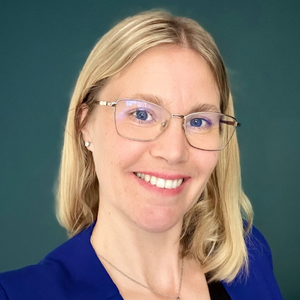
Maléne Lindholm, PhD
Maléne Lindholm is a Senior Research Engineer at Stanford University and Director of the Human Molecular Athlete Moonshot initiative at the Wu Tsai Human Performance Alliance at Stanford. She is internationally recognized for her research in multi-omic exercise physiology, currently active in leading large-scale efforts to map the molecular and genetic underpinnings of endurance training and elite athletic performance, including sex-specific adaptations and mitochondrial remodeling.
SPEAKER
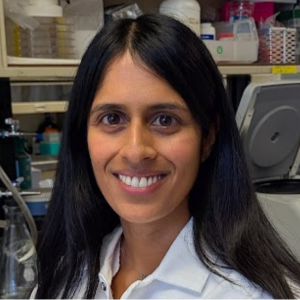
Anita Reddy, PhD
Anita Reddy is a postdoctoral fellow in Dr. Justin Sonnenburg’s lab at Stanford University. Her research focuses on understanding how diet, exercise, and gut microbial composition interact and influence human health. She is currently investigating the role of the microbiome in mediating the body’s adaptations to exercise. Using multi-omic approaches, she is identifying effector molecules produced by the microbiome in response to exercise and exploring how these molecules contribute to exercise adaptation.
SPEAKER
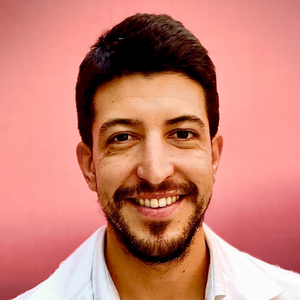
Oscar Vila-Dieguez, PT, PhD
Oscar Vila-Dieguez is a postdoctoral research fellow in the Department of Orthopaedic Surgery at UC San Diego, working in Dr. Samuel Ward’s lab on wearable sensing for athlete load monitoring. He is helping develop novel wearable biosensors for real-time quantification of the mechanical and physiological loads athletes accumulate during sport. The goal is to translate these signals into objective metrics that can guide training, manage workload, and reduce overuse injury risk in populations ranging from baseball pitchers to basketball players.
SPEAKER
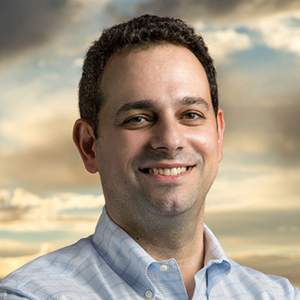
Alan Saghatelian, PhD
Alan Saghatelian is a professor in the Clayton Foundation Laboratories for Peptide Biology at the Salk Institute for Biological Studies, where he holds the Dr. Frederik Paulsen Chair. His lab uses omics technologies and computational tools to discover and characterize microproteins — a newly recognized class of small proteins encoded by previously overlooked regions of the genome — to investigate their roles in muscle biology.
Get Engaged
Join our mailing list to receive the latest information and updates on the Wu Tsai Human Performance Alliance.