
Data and new simulation pipeline to understand the biomechanics of cycling
Collaborators

Cycling plays many roles in our society. It’s an economical, environmentally friendly form of transportation. It’s a competitive sport. It’s a leisure activity. To gain deeper insights into the biomechanics involved in cycling, researchers would like to leverage the power of musculoskeletal simulations. This would enable them to predict changes to a cyclist’s musculoskeletal system under different conditions, such as varying speeds or different bike fits.
 Caitlin Clancy, Wu Tsai Human Performance Alliance postdoctoral fellow Anthony Gatti, and other researchers at Stanford University have developed a muscle-driven simulation pipeline for cycling that provides a foundation for making such predictions. Using the open-source OpenSim musculoskeletal simulation software, they developed an optimization function for their simulation that produces results that closely match experimental electromyography data. This experimental data, the models used in the simulations, and the code have all been shared to enable others to replicate these results and further explore questions about cycling performance.
This study is part of the Wu Tsai Human Performance Alliance Digital Athlete moonshot to develop computational models to guide the training and treatment of athletes.
Read the scientific publication in Scientific Reports
Access the data, models, and code
Latest News
September 24, 2026
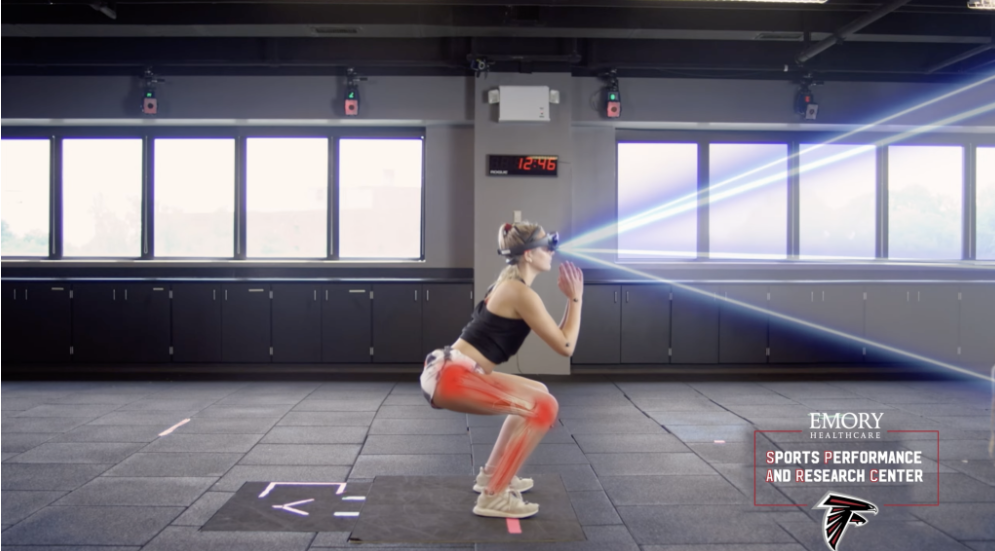
Wu Tsai Human Performance Alliance welcomes Emory Human Performance Institute, expanding Innovation Hub network
September 22, 2026
Alliance Round-Up: REDs risk markers, heat and iron absorption, and more

September 8, 2026
A wearable device tracked over 42,000 menstrual cycles. Here’s what researchers found
Get Engaged
Join our mailing list to receive the latest information and updates on the Wu Tsai Human Performance Alliance.