
Symposium 2026 | Posters | Day 2 Afternoon

Posters
Day 1 Afternoon | Day 1 Evening | Day 2 Afternoon | Search All Posters
Day 2 (November 13) – Afternoon Poster Session
CoDa W415
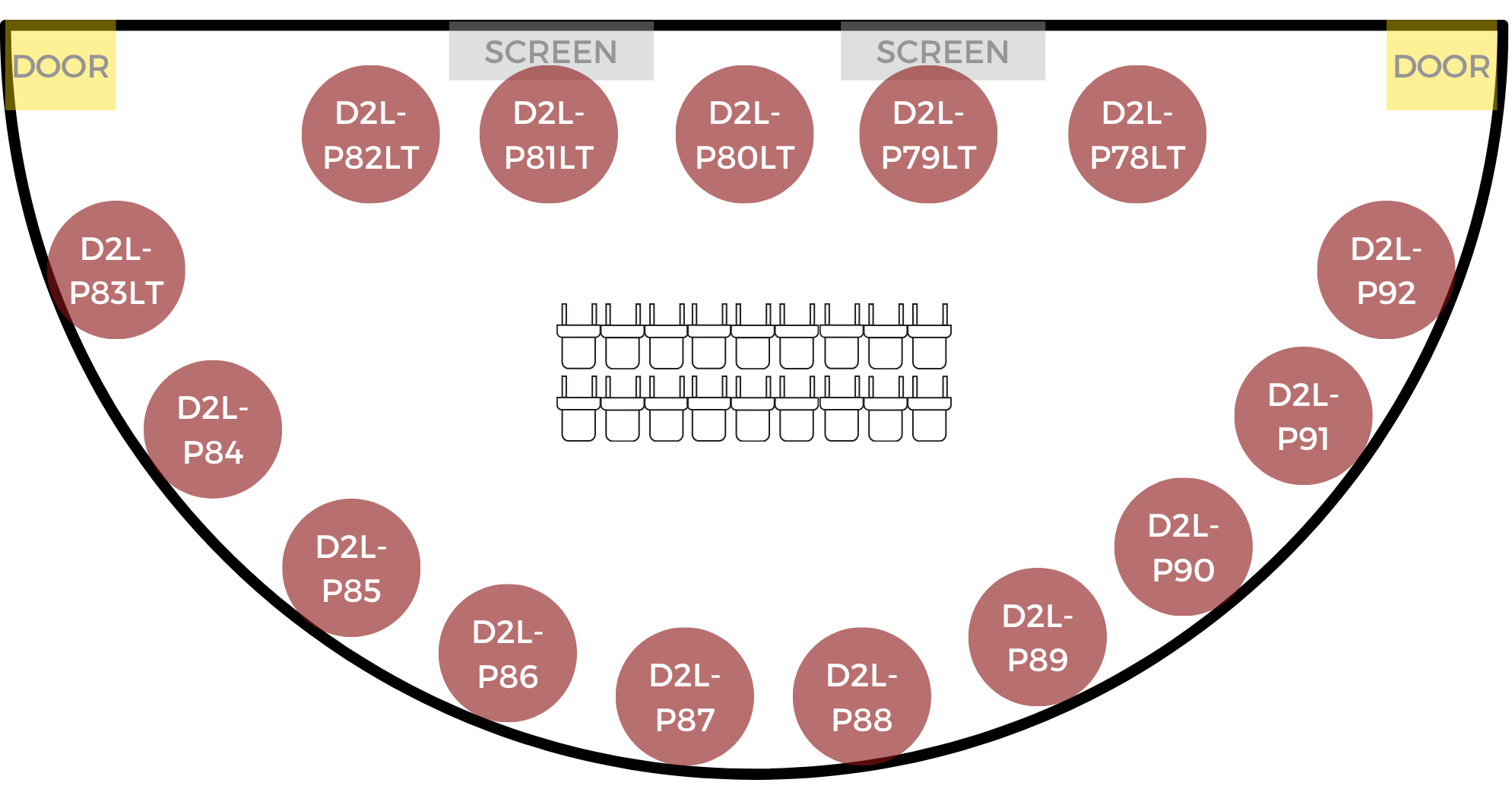
* Posters with an associated lightning talk
D2L-P78LT
Stress Mindset, Competitive Anxiety, and Motivational Climates Among Division I Athletes *
Jason Kaul, University of Minnesota
Authors: Jason B. Kaul, Candace M. Hogue
According to achievement goal perspective theory (Nicholls, 1989), motivational climates refer to the psychosocial environments created by leaders in achievement-based contexts. Previous research shows that an ego-involving climate (i.e., hyper-competitive and evaluative) elicits greater maladaptive stress responses compared to a caring, task-involving climate (i.e., mastery-focused and supportive; Hogue et al., 2013, 2017, 2021). Stress mindset, defined as the belief about whether stress has enhancing or debilitating effects, has emerged as a metacognitive framework that shapes psychological, physiological, and behavioral responses to stress (Crum et al., 2013, 2017). Despite these findings, motivational climate and stress mindset research have received limited attention among elite athlete populations. Division I student-athletes (N = 39) from 14 varsity sports participated in a basketball free throw shooting clinic designed to promote either an ego-involving climate (EIC) or a caring, task-involving climate (CTIC). Participants were randomly assigned to climate groups based on availability. Pre-clinic measures assessed perceived life stress (PSS; Cohen & Williamson, 1988) and stress mindset (SMM; Crum et al., 2013), while post-clinic measures assessed the perceived motivational climate – as a manipulation check – and competitive state anxiety (SAS-2; Smith et al., 2006). Results indicated that participants in the EIC group experienced significantly greater somatic anxiety, worry, and concentration disruption compared to the CTIC group. Correlational analyses revealed a moderate, negative, and significant correlation between stress mindset and competitive state anxiety for the CTIC group. These findings suggest that even Division I athletes can be vulnerable to the adverse psychological effects of an EIC. Additionally, the mastery-focused and inclusive nature of a CTIC may enhance the positive effects of a stress-is-enhancing mindset.
D2L-P79LT
Physical and Sensorimotor Predictors of Talent Selection and Batting in U18 Baseball *
Jordan Kohn, UC San Diego
Authors: Jordan Kohn and Greg Appelbaum
The USA Baseball Prospect Development Pipeline (PDP) administers a multidimensional battery of strength, speed, and sensorimotor assessments to elite amateur baseball players. Using PDP assessment and batting performance data, we previously demonstrated in collegiate Appalachian League batters that machine learning models could predict in-game batting metrics (Kohn et al., 2024). Here, we extend those findings into athletes trying out for the U18 National Team, leveraging five years of tryout data.
Three random forest models were fit using nested cross-validation: a classification model predicting national team selection, and regression models predicting Hard Hit Percentage (HH%) and Contact Percentage (Con%) from Trackman batting data. The 12-feature battery included height, weight, assessment year, countermovement jump (CMJ) ground contact time and power, 30-yard sprint time, dominant and non-dominant grip strength, broad jump distance, and three RightEye-derived sensorimotor scores (Fixation, Pursuits, Saccades). Missing data were imputed via random forest, with sensitivity analyses across missingness thresholds guiding sample selection; SHAP values were used to assess feature importance.
The classification model (N = 250, <20% missingness) predicted national team selection with 73.2% accuracy (AUC = 0.63); pursuit tracking, CMJ power, and non-dominant grip strength were positively associated with selection. For HH% (N = 102), the model explained 15.8% of variance (MAE = 10.0%), with weight, CMJ power, height, and Saccades scores positively associated. For Con% (N = 100), 34.5% of variance was explained (MAE = 7.9%), with CMJ ground contact time positively associated and assessment year, weight, height, and dominant grip strength negatively associated.
These findings extend prior work on PDP assessments, showing that physical and sensorimotor attributes jointly contribute to talent selection and batting performance prediction in elite U18 baseball prospects.
D2L-P80LT
The Relative Impact of Estrogen and Aging on Human Skeletal Muscle Mitochondrial Function *
Julissa Ortiz-Delatorre, University of Oregon
Authors: Julissa Ortiz-Delatorre, Jade Truong, Carrie McCurdy, Damien M. Callahan
In females, estradiol (E2) likely has independent effects on muscle metabolism and mechanics. In the context of menopause, E2 deficiency is thought to accelerate age-related strength deficits and increase susceptibility to injury. In younger adults, E2 suppression secondary to chronic relative energy deficiency syndrome (REDs) or hormonal contraceptive use, may lead to similar effects, though this has not been demonstrated. Since aging impairs mitochondrial and contractile function regardless of E2 status, isolating effects of E2 depletion in postmenopausal females remains challenging. Understanding the impacts of E2 depletion in younger adults is also clinically relevant and poorly understood. Therefore, we implemented a novel study design that compares muscle-related outcomes in eumenorrheic females (EU) with age-matched females experiencing chronic estrogen suppression via hormonal contraceptives (HC). To incorporate the effects of age plus chronic estrogen depletion, we further recruited post-menopausal females (PM). METHODS: Skeletal muscle biopsies from the vastus lateralis of each participant were obtained. Tissue was separated and prepared for assessment of mitochondrial function via high-resolution respirometry (O2K; Oroboros Instruments). Briefly, muscle bundles were dissected in a cold buffer and then chemically permeabilized for 30 minutes. After permeabilization, tissue was blotted, weighed, and immediately placed in the O2K, where carbohydrate-supported metabolism was assessed. RESULTS: Preliminary data revealed that EU females have higher oxidative phosphorylation (OXPHOS) capacity than HC and PM. Regression analysis indicated trends toward a positive association between E2 and OXPHOS (R2 = 0.28, p = 0.094). DISCUSSION: Preliminary results revealed that E2 depletion impairs mitochondrial function, independent of age. We will further investigate whether mitochondrial abundance or dysfunction is the primary driver of oxidative impairment with low E2.
D2L-P81LT
Repeatability of MRI Measures of Pelvic Floor Muscle Composition and Structure in Women *
Madison George, Stanford University
Authors: Madison K. George, Lauren Watkins, Kaitlin Sofko, Rachel Shalit, Feliks Kogan
Pelvic floor dysfunction (PFD) involves incontinence or pelvic organ prolapse and affects roughly one quarter of women. PFD disproportionately affects athletes and mothers and is also one of the highest concerns for women returning to activity postpartum. Despite this, we lack methods to objectively characterize the role of pelvic floor muscles in PFD, particularly regarding musculoskeletal recovery and readiness for activity. Quantitative magnetic resonance imaging (MRI) techniques such as T2 relaxometry and diffusion tensor imaging (DTI) can provide information relating directly to muscle quality and structure. As a foundation for future investigations of pelvic floor muscle changes to better inform return-to-activity guidelines for women postpartum, we evaluated the repeatability of T2 and DTI measures in healthy women. Ten women (age 29±7 years, BMI 24.2±3.0 kg/m2) underwent two same-session scans on a 3 Tesla MRI system (MAGNETOM Cima.X, Siemens Healthineers), briefly exiting the scanner between scans. The repeatability of mean T2 relaxation times and DTI metrics (fiber diffusivity, anisotropy, and lengths) were evaluated for the levator ani (LA) and left and right obturator internus (OI) and adductor magnus (AM) muscles using a Bland-Altman analysis, coefficient of variation (%CV), and concordance correlation coefficient (CCC). Across all regions, the %CV of T2 relaxation times ranged 3.79-8.24% and CCCs ranged 0.38-0.78. The %CV of DTI metrics ranged 1.28-8.04% and CCCs ranged 0.36-0.92. The %CV of estimated fiber lengths ranged 5.62-10.68% and CCCs ranged 0.43-0.95. These outcomes demonstrate strong reliability of T2 and DTI metrics in the pelvic floor muscles to inform future longitudinal studies of pelvic floor muscle health and postpartum return-to-activity readiness.
D2L-P82LT
High-Resolution Imaging and Characterization of Bone Stress Injuries *
Olivia Bruce, Stanford University
Authors: Olivia L. Bruce, Rachel Shalit, Alexa Eichelmann, Emily Kraus, Feliks Kogan
Bone stress injuries (BSI) are common overuse injuries in athletes that have high recurrence rates. Recurrence may be a result of premature increases in loading volumes or return to sport, and/or failure to adequately treat underlying risk factors affecting bone strength. Currently, there are no standard measures to assess bone changes with BSI and over the recovery and return to sport period. High resolution peripheral quantitative computed tomography (HR-pQCT), which collects density-calibrated images with 61 𝜇m isotropic voxel size, enables quantification of bone microstructural parameters relevant to BSI and bone strength, such as cortical porosity. This scanner is typically limited to the distal 30% of the lower leg. We have developed an approach using MRI-based localization and modified hardware for the HR-pQCT scanner to enable longitudinal imaging of 2 cm long volumes at any location within the diaphysis of bones in the lower legs or feet. This approach was tested in five athletes (age 13-22) with tibial, fibular, or metatarsal BSIs. Imaging was collected at two visits: baseline and 7-11 weeks later. Focal regions of damage were discernable and reduced in size at follow-up. Cortical porosity was elevated in the injured region when compared to the contralateral site in all participants (2.6-12% vs. 0.1-2.7%, respectively). Cortical porosity was reduced by 45-78% in the injured region at follow-up when compared to baseline. This approach is a potentially powerful tool to better understand and assess bone healing and strength trajectories during recovery from BSI.
D2L-P83LT
A Feasibility Study of Pitcher-Specific Virtual Reality Training in DI College Baseball *
Jude Mariadas, UC San Diego
Authors: Jude Mariadas, Chloe Klein, Andrew Zaletski, Sela Salzman, Katie Rodriguez, Tyler Nordgren, Ryan Bobb, Swithin Razu, Lawrence G. Appelbaum
Virtual reality (VR) is increasingly deployed in baseball for batter training, yet empirical evidence for its effectiveness in collegiate settings remains limited. Guided by the Baseball Framework for Applying Virtual Reality (Baseball-FAVR), we conducted two pilot studies with a Division I college baseball team. In Study 1 (n = 16, in-season), VR in-zone swing percentage correlated with game in-zone swing percentage (r = .43, p = .0504), providing initial construct validity evidence for WIN Reality training metrics. In Study 2 (n = 19, preseason), batters trained approximately 15 minutes/week for four weeks against pitcher-specific avatars; on-field performance was evaluated across nine intrasquad scrimmages (806 pitches). Trained versus untrained matchup differences were small and statistically unstable, reflecting an underpowered sample rather than an absence of effect. A post-study survey (n = 18) showed favorable acceptance, 94% rated the experience Fair or better and 72% indicated future use intent, though athletes identified spin visibility and pitch-shape fidelity as barriers. These studies establish that pitcher specific VR training is logistically feasible in a DI context and that in-zone swing percentage shows preliminary construct validity. Implications for future randomized controlled trials, including sample size projections, are discussed.
D2L-P84
Smartphone-Based Sit-to-Stand Motion Capture as an Orthopaedic Vital Sign
Sophie Duncan, Stanford University
Authors: Sophie Duncan, Allen Seo, Sam Hamner, Seth L. Sherman
The sit-to-stand (STS) transition is one of the most common and biomechanically demanding movements of daily life, requiring coordinated lower-extremity strength, trunk control, balance, and joint mobility. Functional movement assessments are widely used to evaluate mobility, monitor recovery, and inform clinical decision-making, yet most rely on time-based outcomes and subjective observation. While these assessments determine whether a patient can complete a task, they provide limited insight into how the movement is performed. This limitation is particularly important for individuals with lower-extremity pathology, who often adopt compensatory movement strategies associated with pain, weakness, instability, or restricted range of motion.
This study investigates the feasibility of using smartphone-based markerless motion capture with OpenCap to quantify STS biomechanics in a clinical setting. The goal was to evaluate whether STS kinematics can serve as an Orthopaedic Vital Sign (OVS): a standardized, objective, and trackable measure of movement collected at the point of care. Thirty-three participants with lower-extremity pathologies completed STS trials. A custom automated pipeline was developed to segment repetitions, normalize them to the STS cycle, generate ensemble plots, and extract clinically relevant features, including peak joint angles, range of motion, and event timings.
Group analyses identified movement patterns consistent with compensatory strategies observed in participants with knee pathology, including increased trunk flexion and reduced knee flexion excursion. These findings demonstrate the feasibility of smartphone-based markerless motion capture as an accessible, objective assessment of functional movement and provide a foundation for integrating movement-based vital signs into musculoskeletal evaluation, rehabilitation monitoring, and return-to-activity decision-making.
D2L-P85
From Wrist to Finish Line: What Wearables Teach Us About Training and Performance
Alex Gonzalez & Johanna O’Day, Stanford University
Authors: Alex Gonzalez, Johanna O’Day (contributed equally)
Wrist-worn wearable smart devices have become increasingly common in the past decade. These devices can continuously record cardiac measures along with behaviors such as exercise and sleep, alongside user-tracked states like menstrual cycle status and injury. This explosion of data provides opportunities to investigate fundamental questions and assumptions about training, performance, and physiology at scale. Specifically, by taking advantage of longitudinal data, we study which ecological shifts in behaviors (e.g., a month of vacation with more sleep, a marathon training block) lead to changes in physiology and/or performance (e.g., lower resting heart rate during the follicular phase, faster 5k times). Using wearable device data, our team has quantified how sleep and activity behaviors change across the menstrual cycle and the relationship with physiological biometrics. For example, a 42-minute-per-day average decrease in sleep duration led to an increase in resting heart rate of 1.2% in all phases of the menstrual cycle. Further, behaviorally, people tend to decrease workout duration (cardio or resistance) in the premenstrual week. From running data (Garmin smartwatches), we developed statistical models to estimate physiological states that predict race performance and that are responsive to changes in training. These physiological states reflect environmental factors (heat, altitude, time of day) and even what phase of the menstrual cycle participants are experiencing. Through longitudinal data modeling, we can uncover the patterns hidden in individual variability present in large-scale wearable data collected from men and women in the wild. Our goal is for these insights to help elite and recreational athletes alike to optimize their training and performance.
D2L-P86
Corticomuscular Cross-recurrence Resolves Squat Phase: Feasibility for ACLR Assessment
Chris Riehm, Emory University
Authors: Christopher D. Riehm, Gregory D. Myer
Re-injury after ACL reconstruction is associated with altered dynamic neuromuscular control, yet neural and muscular contributions are often evaluated in isolation. Corticomuscular cross-recurrence quantification (CM-cRQA) quantifies brain–muscle coordination without assuming oscillatory coupling and has previously shown between-limb asymmetry after ACL reconstruction during isometric contraction. Whether it is feasible during dynamic movement is unknown.
Ten healthy adults performed paced squats with synchronized 64-channel EEG and bilateral vastus medialis and lateralis EMG. EEG and EMG were resampled to 256 Hz, delay-embedded per trial, and cross-recurrence computed at a fixed 12.5% recurrence rate. Descent, hold and ascent phases were length-matched, as recurrence measures scale with series length. As a control, the analysis was repeated on equal-length segments that did not correspond to the true phases. Five EEG regions of interest were analyzed.
Corticomuscular dynamics differed between squat phases on 6 of 8 measures, including determinism, mean diagonal line, entropy, horizontal laminarity and horizontal trapping time (all p<0.01). Coupling was most deterministic during ascent and least during the bottom hold (ascent vs hold p=0.002, 10/10 participants). Equal-length segments not aligned to the true phases showed no differences (p=0.12–0.50), confirming the effect reflects movement phase rather than segment length or position. Motor, sensorimotor, parietal, visual and executive regions all showed phase-dependent coupling dynamics. Between limbs, no measure differed (minimum p=0.11).
CM-cRQA is feasible during dynamic compound movement and resolves within-movement phase structure, with symmetric coupling between limbs in uninjured adults. This establishes the feasibility and normative reference needed to test for deficits in nonlinear brain–muscle coordination after ACL reconstruction during functional movement and to inform return-to-sport readiness.
D2L-P87
Countermovement Jump Metrics and On-Field Performance in NCAA Football Linemen
Madilyn Rink, University of Kansas
Authors: Madi Rink, Samuel Norwood, Kevin Kcehowski, Joe C. Eisenmann, Thayne A. Munce
In American football, the use of force plates to evaluate lower-body strength, power and neuromuscular readiness has become standard practice. However, understanding how this tool relates to on-field performance, particularly among linemen, is limited. The purpose of this study was to examine the relationship between mid-week countermovement jump (CMJ) metrics and subsequent on-field performance in collegiate American football linemen. Ten NCAA Division I American football linemen (n = 6 offensive and n = 4 defensive) were included in this study during the 2025 season. Participants completed two repetitions of a CMJ on uni-axial dual force plates (Hawkin Dynamics, USA). Independent variables of interest included gross jump outputs, braking and propulsive force-time metrics, and temporal movement strategies. Dependent variables of interest included overall performance grades determined by Pro Football Focus (PFF) and game statistics available through an open database. Linear mixed-effects models and Poisson generalized linear mixed-effects models (GLMMs) were used to evaluate associations between CMJ variables and on-field performance. Among offensive linemen, early-to-midweek changes in braking RFD (IRR = 1.96, 95% CI [1.31–2.95]) and braking impulse (IRR = 0.45, 95% CI [0.27–0.73]) were associated with pressure-allowed rate (FDR-adjusted p = .006 for both). No significant associations were observed for overall PFF grade or defensive linemen performance outcomes. Among offensive linemen, select midweek CMJ characteristics and early-to-midweek changes in braking strategy may be associated with subsequent on-field performance. However, the limited associations observed across other performance outcomes suggest that the CMJ may not fully reflect the position-specific demands of offensive and defensive linemen.
D2L-P88
Aging Disrupts Stromal-Immune Crosstalk During Biomaterial-Mediated Bone Repair
Callie Weber, Stanford University
Authors: Callie M. Weber, Sungwon Kim, Michelle Tai, Mayu Morita, Takahiro Igei, Yosuke Susuki, Michelle M.T. Jansman, Ellen Yates, Raina Singh, Joshua Sin, Aditya Chindhade, Simon Chow, Stuart Goodman, Fan Yang
Incidence of bone fracture increases with age, yet older adults have slower regeneration. Up to 11% of fractures result in nonunion, which occurs when bone fails to heal without surgical intervention. While biomaterial scaffolds effectively enhance bone regeneration in young models of nonunion defects, their efficacy declines significantly with age. Effective bone regeneration requires coordinated transitions through inflammation, repair, and remodeling. Macrophages and stromal cells are two key cell types in the bone niche that are drive these transitions. However, how aging dysregulate macrophage and stromal cell phenotypes and their crosstalk remains poorly understood.
To address this gap, we integrated a critical-sized long bone defect model with single cell RNA sequencing (scRNA-seq) to profile aging-associated changes in infiltrating cell phenotypes and crosstalk during biomaterials-assisted bone healing. Day 7 in vivo scRNA-seq showed macrophages were the predominant infiltrating cell population. Aging shifted macrophages from IFN-responsive and antigen-presenting phenotypes toward fibrotic and lipid-mediated inflammatory states. Cell-cell communication analysis identified stromal cells as the primary signaling hub, with aging selectively enhancing pro-fibrotic stromal-to-macrophage signaling. Functional in vitro co-culture further confirmed the same trend, with secretomes from aged stromal cells promoting fibrosis-associated macrophage responses. Integration with human nonunion scRNA-seq datasets demonstrated this pro-fibrotic stromal-to-macrophage signaling persists in older adults with established nonunion defects, confirming the clinical relevance of our findings. Together these results identify dysregulated stromal-macrophage signaling as a key feature of aging associated delay in bone healing, highlighting a novel therapeutic target to restore aged bone regeneration.
D2L-P89
Beyond the Scoreboard: Mental Health & Academic Function in Black Female College Athletes
Luka Ojemaye, Stanford University
Authors: Luka Ojemaye, Annesa Flentje, Judith Prochaska
Black female collegiate athletes (BFCAs) navigate intersecting demands of high-level sport, academics, race, and gender (Bopp et al., 2025), yet remain understudied in athlete mental health research (Kriger & Kerr, 2022). This gap limits understanding of psychological processes associated with well-being and academic functioning. We examined: (1) levels of anxiety, psychological inflexibility, and mental health-related academic interference; and (2) whether inflexibility and anxiety were independently associated with academic interference among BFCAs. We analyzed pooled 2021–2025 Healthy Minds Study data, a repeated cross-sectional survey of college students. The unweighted analytic sample included 1,086 BFCAs (mean age=20.0 years, SD=2.0; 96.2% of those reporting class year were in years 1–4). Nonresponse-weighted descriptive, correlational, and regression analyses were conducted. Psychological inflexibility was assessed with the 7-item Acceptance and Action Questionnaire-II (AAQ-II; n=401), with higher scores indicating greater inflexibility. Models adjusted for survey year. Clinically significant anxiety (GAD-7≥10) was present in 30.4% of BFCAs, including 13.3% with severe anxiety (GAD-7≥15). Nearly half (48.0%) reported ≥3 days of mental health-related academic interference in the prior four weeks. Inflexibility and anxiety were positively correlated with interference (weighted r=.510 and .498; p<.001) and remained independently associated when modeled together (β=.334 and .328; p<.001), explaining 38.3% of variance. Despite evidence that physical activity may be protective (Long, 2026), these findings indicate meaningful anxiety and mental health-related academic interference among BFCAs. Psychological inflexibility and anxiety are distinct, potentially modifiable correlates of academic functioning. Findings support future athlete-centered intervention research targeting psychological inflexibility and anxiety to improve mental health and academic functioning.
D2L-P90
Mechanisms and Applications of Facial Wound Healing with Minimal Scarring
Dayan (Jack) Li, Stanford University
Authors: Dayan J. Li, Michelle F. Griffin, Kellen Chen, Jennifer B.L. Parker, Jason L. Guo, Seungsoo Kim, Katerina Kraft, Mauricio Downer, Annah G. Morgan, Maxwell M. Kuhnert, Serena L. Jing, Hanqi Yao, Caleb Valencia, Asha Cotterell, Michael Januszyk, Geoffrey C. Gurtner, Howard Y. Chang, Joanna Wysocka, Derrick C. Wan, and Michael T. Longaker
Progress towards anti-scarring therapies has been hampered by our limited understanding of fibroblast populations underlying fibrotic versus regenerative healing. The site-dependent fibroblast heterogeneity acquired during development points to cell-intrinsic properties determining fibroblasts’ scarring potential. Using a mouse wounding model, we observed that facial wounds heal with less scarring than scalp, ventral, and dorsal wounds. Single-cell RNA sequencing identified increased expression of Robo2 and downstream Eid1 in neural crest-derived facial fibroblasts compared to fibroblasts from other sites. In fibroblast transplantation experiments, Robo2 and Eid1 promoted facial fibroblasts’ reduced fibrotic potential. This is maintained by the inhibition of EP300 histone acetyltransferase, leading to a more transcriptionally silent chromatin landscape. Mimicking EID1’s activity, small-molecule and transgenic EP300 repression in dorsal wounds promoted facial-like healing with reduced scarring. These data highlight the importance of ROBO2-EID1-EP300 signaling in facial wound healing, and demonstrate our ability to modulate fibroblasts’ embryologically determined fibrogenic potential to minimize scarring.
D2L-P91
Eccentric Hamstring Strength Correlation to Vertical and Horizontal Athletic Performance
Samuel Norwood, University of Kansas
Authors: Sam Norwood, Zhichen Feng, Quincy R. Johnson, Joey C. Eisenmann, Thayne A. Munce
Developing eccentric hamstring strength (EHS) has been shown to be effective at reducing hamstring injury risk. However, questions about the contribution of EHS to athletic performance remain. PURPOSE: The aim of the present study is twofold: a) to investigate if more variance in EHS is explained during horizontal (sprinting) or vertical (jumping) activities; and, b) to address the practical role of the nordic hamstring exercise as an independent performance improving exercise and/or a monitoring tool for risk of injury. METHODS: Using an observational cross-sectional design, 45 NCAA Division I American football athletes (Mids, n = 20; Skills, n = 25) were assessed for lower-limb force, power and sprint speed. Strength measures were gathered from the nordic hamstring exercise; lower body power was assessed via countermovement jump (CMJ) and multi-rebound jumps performed on force plates; and sprinting speed was quantified using a motorized resistance device. Linear regression and a linear mixed-effects model were used to test whether the EHS-performance relationship differed by horizontal or vertical performance indicators. RESULTS: No statistically significant relationship was observed between either performance direction and EHS. Nonetheless, vertical jump-related performance explained greater variance than horizontal sprint performance; EHS-vertical (β = 0.19, 95% CI [−0.06, 0.44], p = .129) and EHS-horizontal (β = −0.03, 95% CI [−0.34, 0.28], p = .826). CONCLUSION: Although previous studies have shown that EHS is associated with hamstring injury risk, the results of this study show no association between EHS and jumping or sprinting performance. Suggesting that, amongst this population, the NHE is primarily a monitoring tool. PRACTICAL APPLICATIONS EHS development remains of high importance for injury risk reduction but may not be a major determinant of sprinting or jumping ability in this population of American football players.
D2L-P92
Mouse Model of REDs: Molecular Insights into Athlete Health and Performance
Laura Van Rosmalen, Salk Institute
Authors: Laura van Rosmalen, Matthew Heffel, Manoj Hariharan, Geraldine Maier, Shaunak Deota, Vince Rothenberg, Tiffany Chin, Hiep Dinh Le, Ramesh Ramasamy, Rosa Gomez Castanon, Joseph Ecker, Satchidananda Panda
Maintaining adequate energy availability is critical for athlete health, recovery, and performance. However, insufficient energy intake relative to exercise demands can lead to Relative Energy Deficiency in Sport (REDs), affecting metabolic, endocrine, reproductive, skeletal, and psychological health. The mechanisms underlying these systemic effects remain poorly understood.
We developed a mouse model of REDs combining voluntary wheel running with reduced food availability. Our published work demonstrated loss of fat and lean mass, impaired bone health, disrupted rest–activity rhythms, hypoglycemia, and endocrine dysfunction. Multi-organ profiling further revealed widespread, sex-specific molecular adaptations across peripheral tissues and the brain, including disruption of the HPG and HPA axes.
Here, we extend this model to investigate how inadequate fueling alters skeletal muscle adaptation to exercise. We compare exercised mice fed ad libitum with exercised mice receiving 40% less food (REDs) using single-nucleus methylome sequencing (snMethyl-seq) and single-nucleus RNA sequencing (snRNA-seq). These approaches identify cell-type-specific changes in gene expression and DNA methylation, providing insight into how low energy availability alters muscle metabolism, remodeling, and recovery.
We also examine how energy availability modifies the brain response to exercise using Xenium spatial transcriptomics, which measures cellular gene expression while preserving spatial organization. We analyze the hypothalamus and hippocampus of sedentary, exercised adequately fueled, and exercised REDs mice. These regions regulate energy balance, endocrine and stress responses, cognition, mood, and exercise-induced brain plasticity.
By distinguishing adaptations to adequately fueled exercise from those occurring under energy deficit, this work links molecular responses in muscle and brain to mechanisms relevant to athlete health, recovery, resilience, and performance.
Questions? Contact us at [email protected]
Get Engaged
Join our mailing list to receive the latest information and updates on the Wu Tsai Human Performance Alliance.