
Symposium 2026 | Posters | Day 1 Evening Session

Posters & Demos
Day 1 Afternoon | Day 1 Evening | Day 2 Afternoon | Search All Posters
Day 1 (November 12) – Evening Poster & Demos Session
Clark Center Building
Posters and Lab Tour Sign Ups are on Floor 1, Greenfish Nexus
(Demos are on Floor 3, Room S360 – accessible through Café Buttery)

* Posters with an associated lightning talk
D1H-P16LT
Jet Lag Impairs Elite, Collegiate Swim Performance *
Jamie Zeitzer, Stanford University
Authors: Jamie M. Zeitzer, Peijun Wen, Renske Lok, Lara Weed, Daniel Schemmel
Jet lag is widely believed to impair athletic performance, yet much of the evidence comes from analyses of team sports, where performance is influenced by numerous confounding factors including opponent quality, team composition, and officiating. To better quantify the effects of jet lag on performance, we examined race results from elite Stanford swimmers (n=168) competing in 1,432 races across 16 seasons (2010–2025). Starting reaction time (RT) and World Aquatics points were extracted for each race. Finals performances in butterfly, breaststroke, freestyle, and individual medley events were included. To minimize seasonal variation in fitness and training status, analyses were restricted to regionals and nationals. Linear mixed-effects models were used to predict RT and points while accounting for sex, stroke, race distance, and number of time zones traveled.
Mean RT was 0.685±0.064 s with the model explaining 73.9% of the variance and time zones traveled accounting for the largest effect (η²=0.33), followed by sex (η²=0.07), distance (η²=0.02), and stroke (η²=0.004). After adjustment for all covariates, competing two time zones eastward was associated with a 0.0508-s slower RT (p<0.001), while three time zones was associated with a 0.0488-s slower RT (p<0.001). Points were 783±73.7, with the model explaining 62.8% of the variance and distance (η²=0.07), time zones traveled (η²=0.05), stroke (η²=0.03), and sex (η²=0.02) contributing significantly. Relative to no time zone change, eastward travel across two time zones was associated with a 24-point reduction in performance (p<0.001), and three time zones was associated with a 15-point reduction (p=0.0001).
Eastward travel was linked to significant impairments in both reaction time and overall race performance among elite swimmers. These findings provide objective evidence that even modest circadian disruption can measurably affect individual athletic performance at the highest competitive levels.
D1H-P17LT
Feeding Time Shapes Endurance Capacity and the Temporal Exercise Response *
Suraj Pathak, Salk Institute
Authors: Suraj J. Pathak, Geraldine Maier, Kelsey Fierro, Yushi Li, Shaunak Deota, Krushali Powale, Xiaoyan Zhu, Yiyi Shen, S. Panda, Jan Karlseder
Time-restricted feeding (TRF), which consolidates daily food intake to a defined window, improves metabolic health independent of caloric load. Whether it affects exercise capacity, and what changes molecularly when it does, is not known. Male and female mice were maintained on normal chow, high-protein, or high-fat diet under ad libitum or time-restricted feeding for 14 weeks, then run to exhaustion. TRF increased run distance in both sexes and on all three diets (p<0.05) without differences in caloric intake. A separate 6-week TRF cohort on normal chow and high-fat diet showed the same effect on time to exhaustion. This cohort was used for all molecular collection reported here. Animals were collected at four points along a graded exercise dose: rest, 30 min, 60 min, and run-to-exhaustion. With sex, diet, and feeding pattern, this is a 2 × 2 × 2 × 4 factorial design, n=5 per condition, 160 animals total. Plasma, liver, quadriceps, and gonadal white adipose were harvested within approximately 4 minutes of treadmill removal, with blood glucose, lactate, and ketones drawn in parallel. Here, we report the plasma and liver compartments: plasma by untargeted lipidomics and targeted polar metabolomics, liver by RNA sequencing. This gives a time course of a single exercise bout under two feeding regimens. In plasma, a substantial fraction of the measured lipidome and polar metabolome changes across the exercise dose, with responses organized into distinct temporal shapes. Hepatic transcription resolves a comparable set of temporal programs.
D1H-P18LT
A Translational Model for Assessing and Modifying Resistance Training Variables in Mice *
Swithin Razu, UC San Diego
Authors: Swithin S. Razu, Jennifer Stowe, Andrew Carpino, Shannon Bremner, Yasser Abdelrahman, Alex Noonan, Liam S. Fitzgerald, Laura van Rosmalen, David Lesser, Avraham Libster, Simon Schenk, Samuel R. Ward, Andrew D. McCulloch
Resistance exercise training (RT) promotes numerous health benefits, but understanding how specific training variables affect outcomes remains challenging. Previous mouse models have relied on surgical interventions, shock avoidance, or simplified exercises that do not readily translate to human RT. Here, we present a voluntary weighted squat press system for mice that is automated and allows control of multiple training variables including load (0.9–5× body weight), volume, frequency, rest periods, and muscle action. The system uses food rewards instead of aversive stimuli and continuously records lift variables, limb kinematics, and ground reaction forces. To demonstrate translational utility, we implemented the squat press system in a socially housed, chamber-based paradigm and conducted an 11-week progressive-loading intervention in 16 male C57BL/6J mice. Progressive loading increased cumulative loading volume without reducing task participation, enhanced high-frequency plantarflexor torque area under the curve normalized to muscle mass at 90 Hz (p = 0.010) and 120 Hz (p = 0.004), and total loading volume was positively associated with maximal normalized peak torque (R2 = 0.69, p = 0.003). This system provides a translatable and voluntary murine model for studying relationships between RT program variables and physiological adaptations.
D1H-P19LT
Temporal Multi-Omics Reveals Sex-Specific Cardiac Metabolic Adaptation to Training *
Pauline Brochet, Stanford University
Authors: Pauline Brochet, Joyce Njoroge, Samuel Montalvo, Malene E. Lindholm, Sasha Gladkikh, Gregory R. Smith, Gina Many, David Jimenez-Morales, Hasmik Keshishian, Nicole R. Gay, Bingqing Zhao, Chia-Jui Hung, Christopher A. Jin, Clarisa Chavez, Daniel Nachun, Elena Zaslavsky, German Nudelman, Hanna Pincas, Jose Juan Almagro Armenteros, Kevin S. Smith, Krista M. Hennig, Mary Anne S. Amper, Matthew Wolf, Mital Vasoya, Nasim Bararpour, Navid Zebarjadi, Nikolai G. Vetr, Roxanne Chiu, Si Wu, Venugopalan D. Nair, Yongchao Ge, Blake B. Rasmussen, Martin J. Walsh, Michael P. Snyder, Stephen B. Montgomery, Stuart C. Sealfon, William E. Kraus, Zhen Yan, Euan Ashley, Matthew T. Wheeler, Daniel H. Katz
Regular exercise is a cornerstone of cardiovascular health and cardiorespiratory fitness. Endurance training requires the heart to adapt to sustained circulatory and energetic demands, yet cardiac responses differ between males and females and the molecular mechanisms underlying these differences remain poorly understood. The Molecular Transducers of Physical Activity Consortium (MoTrPAC) provides a unique resource to study temporal multi-omic responses to endurance training across sexes. We integrated eight cardiac omic layers spanning transcriptomics, proteomics, epigenomics, post-translational modifications, and metabolomics from male and female rats after 1, 2, 4, and 8 weeks of training using MOFA/MEFISTO temporal factor modeling.
Seven temporal factors captured shared and sex-specific cardiac adaptations. Energy metabolism was remodeled in stages: early lipid and peroxisomal handling was broadly shared across sexes, whereas fatty-acid oxidation, TCA/redox metabolism, oxidative phosphorylation, and mitochondrial biogenesis peaked later at the transcript and protein levels in females. Mitochondrial metabolite changes were largely concordant between sexes, arguing against a globally delayed female metabolic response and suggesting distinct regulatory routes to adaptation.
Sex-shifted factors were driven by epigenetic and post-translational regulation, suggesting that regulatory changes may precede later abundance responses. In females, an early glycolysis/pyruvate signature included reduced chromatin accessibility at Pdk4, which inhibits pyruvate dehydrogenase, and Pdha1 K244 deacetylation, consistent with greater pyruvate dehydrogenase activity. Together, these findings suggest that females may favor pyruvate oxidation early in training, before later reinforcement of fatty-acid and mitochondrial oxidative programs, revealing sex-specific strategies to meet cardiac energetic demands.
D1H-P20LT
Neuromuscular Profiles Underpin Shot Velocity and Accuracy in Professional Soccer Players *
Minh N. Q. Nguyen, University of Kansas
Authors: Minh N. Q. Nguyen, Caleb Bean, Angeleau Scott, Quincy Johnson, Joey C. Eisenmann, Thayne A. Munce, Andrew C. Fry
In soccer, shooting requires ball speed and precision, yet the lower-body neuromuscular qualities associated with these outcomes remain poorly understood. This study examined whether shot velocity, accuracy, and overall proficiency were associated with distinct neuromuscular capacities assessed through lower-body strength, power, and reactive-strength testing.
Methods: Thirty-two male Major Arena Soccer League players (age = 26.7 ± 4.2 years) completed an isometric mid-thigh pull (IMTP), countermovement jump (CMJ), drop jump, and 10/5 repeated ankle-hop test. After 24–48 h, players completed the Rösch Soccer Shooting Test. Outcomes were dominant-foot shot velocity (VEL), shooting accuracy (ACC), and a composite proficiency index (PROF = VEL × ACC). Pearson correlations screened redundancy among neuromuscular variables, followed by separate forward-entry multiple regression models for each outcome.
Results: CMJ braking impulse (R = 0.39, R² = 0.15, p = 0.03) was the only neuromuscular variable significantly associated with shot velocity. Shooting accuracy was best explained by IMTP peak force and 10/5 peak reactive strength index (RSI) (R = 0.60, R² = 0.36, p < 0.001). Composite proficiency was associated with IMTP relative peak force and 10/5 peak RSI (R = 0.55, R² = 0.31, p = 0.01).
Conclusion and Translational Impact: Distinct neuromuscular qualities were associated with different shooting outcomes in professional arena soccer players. Faster shots were associated with greater braking capacity, whereas greater accuracy and proficiency were associated with greater maximal strength and ankle-dominant reactive strength. These findings suggest practitioners should not treat lower-body “power” as a single construct when profiling shooting performance. Force-plate testing may help align strength and plyometric programming with the distinct physical qualities associated with powerful versus precise shooting.
D1H-P21LT
Neural Representations of the Quiet Eye During a Virtual Archery Task *
Nicholas Kreter, University of Oregon
Authors: Nicholas Kreter, Jackson Zenti, Brady Decouto, Catherine Sager, Deborah Barany, Michelle Marneweck
When performing aiming tasks, experts exhibit a long-duration gaze fixation on a task-relevant landmark just before the final movement, termed the quiet eye (QE). Behavioral evidence indicates that this stable gaze is associated with task performance and is sensitive to task difficulty, suggesting that it supports either motor programming or online control of movement. However, behavioral studies alone have not disentangled the extent to which stable gaze influences these factors, underscoring the need to probe the underlying neural representations. Here, we use task-based fMRI to test how gaze stability modulates the neural representations of task demand during a virtual archery task. During fMRI, twenty healthy young adults completed six blocks of trials with four conditions that manipulated gaze stability (i.e., stable vs. moving gaze) and task demand (i.e., aiming at a near or far target). Bayesian pattern component modeling of fMRI data tested the extent to which gaze stability modulates neural representations of task demand during an epoch just before aiming begins, primarily reflecting motor programming, and an epoch that overlaps with active aiming at the archery target, primarily reflecting online control. Results showed strong evidence that gaze stability influenced representations of task demand in the primary visual cortex (V1) and the cerebellum during the epoch where participants were actively aiming, but provided little support for an interaction between gaze stability and task demand in the epoch just before aiming began. Overall, these gaze-dependent representations of task demand provide neural evidence that stable gaze supports aiming performance and suggest that QE may exert its strongest influence during active task performance.
D1H-P22
Monitoring Dynamic Biomarkers using Dermal Interstitial Fluid
Thomas Redvanly, Stanford University
Authors: Thomas W. Redvanly, Jihyun (Luna) Hwang, Jaeyoon Lee, Abel Bermudez, Fernando J. Garcia-Marqués, Lynn Yang, Maria T. Dulay, Bruce Schaar, Sharon J. Pitteri, Stephen R. Quake, and Joseph M. DeSimone
Human biology is dynamic, yet most molecular measurements are obtained from infrequent blood draws. Dermal interstitial fluid (ISF) interfaces with local cells and capillaries in the dermis, enabling the exchange of soluble analytes [1]. Collection of ISF is minimally invasive enabling highly frequent monitoring of health, disease, aging, therapeutic response, and human performance. Prior efforts demonstrate that ISF contains small molecules, proteins, and nucleic acid biomarkers that can be used for early cancer detection, monitoring autoimmune and neurodegenerative diseases, and analytes for human sports performance and safety [2, 3]. Despite this potential, routine ISF analysis remains challenging because conventional collection methods typically yield only a few microliters and are not user-friendly for self-administration [4]. 3D-printed microneedle-based collection devices provide scalable, virtually painless, and self-administrable platforms for ISF collection [2]. Here, we use recent advances in high-resolution 3D-printing and bioanalytical techniques to reproducibly collect ISF with analyte concentrations amendable with analysis by mass spectrometry, bulk RNAseq, NUcleic acid Linked Immuno-Sandwich Assay (NULISA), and electrochemical sensing. Here, we characterize the proteomic and transcriptomic contents of collected ISF. Taken together, advances in ISF collection and analysis allow routine molecular measurements which historically required invasive venipuncture or tissue biopsy.
[1] M. Friedel et al. (2023) Nat. Biomed. Eng, vol. 7, no. 12, pp. 1541–1555, doi: 10.1038/s41551-022-00998-9.
[2] A. H. Hung et al. (2025) Bioengineering. doi: 10.1101/2025.03.13.641882.
[3] A. Himawan et al. (2023) Adv Healthc Mater, vol. 12, no. 5, p. 2202066, doi: 10.1002/adhm.202202066.
[4] J. (Luna) Hwang, M. T. Dulay, B. Schaar, and J. M. DeSimone. (2026) Pharmaceutics, vol. 18, no. 8, p. 926, doi: 10.3390/pharmaceutics18080926.
D1H-P23
Wireless Monitoring of ACL Graft Tension During Surgery and Rehabilitation
Anika Moorjani, University of Oregon
Authors: Anika Moorjani, Stephen Laffoon, Salil Karipott, Michael McGeehan, Robert E. Guldberg, Keat Ghee Ong
Anterior cruciate ligament (ACL) reconstruction is widely used to restore knee stability following injury, yet recovery varies among patients, and many athletes do not return to their previous level of sport. One important factor is ACL graft tension. Insufficient tension can contribute to joint laxity, while excessive tension can restrict motion and alter graft loading. Despite its importance, graft tension is not routinely measured during surgery or rehabilitation. To address this need, we are developing an implantable sensor-integrated suture button that enables wireless measurement of ACL graft tension during surgery and postoperative recovery. The device integrates a miniature force sensor and wireless resonant sensing components into a suture button similar to those used for graft fixation. Graft loading produces small deformations within the sensor that are detected wirelessly by an external handheld reader. Because the implant is passive and battery-free, measurements can be obtained repeatedly without a physical connection to the device. The current system includes a fully operational sensorized suture button and wireless reader for real-time measurement and display of graft loading. This technology is now progressing through the FDA regulatory process, while preclinical evaluation in a sheep ACL reconstruction model is underway to characterize device performance and longitudinal monitoring under physiological conditions. Access to graft tension could provide surgeons with objective feedback during graft fixation and allow researchers and clinicians to study how loading changes during healing and rehabilitation. Ultimately, longitudinal measurements may help connect surgical decisions, rehabilitation activities, and recovery of knee function. This symposium demonstration will show the sensorized suture button and real-time wireless measurement of graft loading using the handheld reader.
D1H-P24
Effects of a Partitioned Drop Landing Protocol on Tibial Bone Microstructure
Nate Goldcamp, University of Oregon
Authors: Nate Goldcamp, Zak Kindl, Michael E. Hahn
The response to strain by bone has been shown to diminish after repetitive loading cycles. Animal models show partitioning a loading bout improves bone adaptation, however this remains untested in humans. The purpose of this study is to determine if a partitioned, high impact drop landing task elicits greater osteogenic response than a single bout of the same loading volume in humans.
Four young adults engaging in less than one high-impact activity per week (N = 4F) completed a 10-week unilateral drop landing protocol on a self-selected leg. This study aims to recruit a total sample of 26 participants. Participants were randomly assigned to either a single bout group (once daily; N = 2) or a partitioned bouts group (twice daily; N = 2). Both groups performed unilateral drop landings five days per week, progressing from 40 to 100 drops per day over the first six weeks. High-resolution peripheral quantitative computed tomography (HR-pQCT) scans were performed at a standard tibial metaphysis site for both the loaded and control legs at baseline and week 11. Changes in tibial bone density, geometry, and microstructure were quantified as percent changes compared to baseline. Microfinite element analysis was used to estimate changes in compressive failure load and stiffness.
Mean self-reported protocol adherence was 90.5%. From baseline to week 11, tibial volumetric bone mineral density (Tt.BMD) increased by 0.25% in the loaded leg of the partitioned-bout group and decreased by 0.45% in the contralateral control leg. In the single-bout group, Tt.BMD decreased by 0.10% in the loaded leg while the control leg increased by 0.30%. Estimated compressive failure load decreased by 0.32% in the loaded legs of the partitioned-bout group and increased by 0.22% in the loaded legs of the single-bout group Notably, failure load increased by 4.50% in the control legs of the partitioned-bout group. Ongoing data collection and analysis is necessary to confirm these observations.
D1H-P25
Body Composition in 2,622 People with Low Back Pain
Kathryn Marusich, Stanford University
Authors: Kathryn R. Marusich, Anthony A. Gatti, Louis Blankemeier, Robert D. Boutin, Matthew Smuck, Garry E. Gold, Scott L. Delp, Akshay S. Chaudhari
Low back pain is a common result of participation in sports, yet most studies of muscle in low back pain populations are limited to low sample sizes (n<100) and narrow age ranges. Existing databases of clinically collected medical images can identify population-level body composition trends across the lifespan.
We leveraged a large dataset of abdominal computed tomography scans collected during routine clinical care at Stanford Hospital to study muscle and adipose tissue differences in adults with and without low back pain diagnosis. Using linked electronic health records, we identified 2,622 subjects with low back pain and 2,577 age, sex, and body mass index matched controls. Ages ranged from 18 to 90+ years (median: 54 yrs). We used deep learning to automatically segment muscle, visceral adipose tissue, and subcutaneous adipose tissue at the third vertebral level.
We hypothesized, in a low back pain population versus controls, that a) height-normalized muscle cross-sectional area (CSA) would be lower, b) the ratio of visceral adipose tissue to subcutaneous adipose tissue (VAT/SAT) would be higher, and c) the ratio of muscle to total abdominal adipose tissue (Muscle/TAT) would be lower.
Our hypotheses were tested using Analysis of Variance, with low back pain diagnosis, sex, and body mass index as main factors.
In our study population, there were no significant differences in normalized muscle CSA (p=0.087) or VAT/SAT ratio (p=0.79) between the low back pain and control groups. The low back pain group had a significantly lower Muscle/TAT ratio than the controls (p<0.0001); however, the effect size was small (partial η^2=0.004).
Our results direct future low back pain muscle research toward localized changes in size, quality, or function, rather than bulk muscle quantity. Future work can continue to leverage existing clinical imaging data to achieve representation across the lifespan.
D1H-P26
Contrast-Agnostic Segmentation Model Enables Structural Quantification Across Knee MRI
McKenzie White, Stanford University
Authors: McKenzie S. White, Scott L. Delp, Garry E. Gold, Akshay S. Chaudhari, Anthony A. Gatti
Subject-specific biomechanical modeling for the knee requires 3D anatomy. Current automated MRI segmentation models that extract anatomic tissues are trained on high resolution single contrast research acquisitions. To use subject-specific modeling for musculoskeletal research, biomechanical modeling, and surgical simulation in patients e.g., ACL injury or patellofemoral instability, we need a model capable of segmenting routine clinical-grade knee MRI’s (2D, 3-4 mm slices, multi-planar). We trained one contrast-agnostic segmentation model and evaluated segmentation and downstream biomarkers.
Five hundred OAI knees (300 participants) had five co-acquired contrasts (3D DESS; sagittal/coronal IW-TSE; coronal T1 FLASH; sagittal T2 map). Labels from a DESS-specific model were transferred to each sequence’s native frame. One nnU-Net model was trained on all contrasts pooled (2,696 samples, 402/49/49 train/val/text knees). Segmentation accuracy was scored with DICE, a measure of segmentation agreement. Predictions were meshed and cartilage thickness was computed in standardized regions defined by a fitted shape model, and a shape-based bone-cartilage health score (BC-score) was extracted. Test knees were compared with the identically processed reference DESS scans from the DESS-specific model.
Comparing the clinical-grade sequences against the DESS-specific model, DICE averaged 0.94-0.97 (bone) and 0.76-0.84 (cartilage). Cartilage thickness agreed with reference across all eight regions (r=0.76-0.98; weight-bearing 0.93-0.98). The BC-score agreed across all bones (r=0.94, 0.93, 0.80; femur, patella, tibia). On the coronal scans, posterior femur and patella scans performed worst (r= 0.66–0.68) due to slicing artifacts. Weight-bearing measures that drive contact mechanics had excellent agreement correlations (r≥0.93). Future work will extend this work include ligaments and to combine multi-planar scans to improve segmentation performance in all regions of interest.
D1H-P27
Diffusion-Weighted MRI Detects Involuntary Muscle Contraction Events
Lauren Watkins, Stanford University
Authors: Lauren Watkins, Gabrielle Baxter, Rachel Shalit, Jessica Asay, Feliks Kogan, Garry Gold, Valentina Mazzoli
Diffusion tensor imaging (DTI), an MRI-based technique routinely used to probe muscle microstructure, is also sensitive to muscle contractions. It may also be sensitive to involuntary muscle contractions, which would present a powerful tool to study motor unit disorders or dysfunction. Myofascial Pain Syndrome (MPS) is a debilitating condition characterized by trigger points (TrP), which are known to undergo constant involuntary contraction and increased activity compared to healthy muscle tissue. In this preliminary study, we explored the ability of DTI to examine the extent and symmetry of involuntary contraction events in the back muscles of 5 pain-free volunteers and 3 MPS patients. Images were acquired on a 3 Tesla MRI system for the left and right trapezius, rhomboid, and levator scapulae muscles. Voxels with an Apparent Diffusion Coefficient >4mm2/s were considered an area of local muscle contraction. Clusters of >5 contiguous voxels were considered a focal contraction area. Event frequency (% containing 1 event), event volume (summed event voxels / muscle volume), and left-right asymmetry were calculated per muscle group. Contraction event frequency and volume derived using DTI were higher in muscles with TrPs compared to control muscles. Across all muscles, unilateral pain was associated with greater asymmetry for event frequency and volume compared to pain-free subjects. Overall, DTI showed sensitivity to involuntary contraction events related to the presence of MPS. Given that these measures can be obtained from routinely-acquired DTI MRI data, this approach offers a practical and non-invasive method for assessing contraction-related activity without additional imaging time.
D1H-P28
Smartphone-Based ACL Injury Resilience Screening Detects Cueing-Induced Movement Changes
Ava Gall, Stanford University
Authors: Ava Gall, Jack R. Williams, Krithika Swaminathan, Janelle M. Kaneda, Julie Muccini, Sam Hamner, Jennifer Hicks, Scott L. Delp
Anterior Cruciate Ligament (ACL) injuries are prevalent, especially among female athletes. Over 70% of ACL injuries are non-contact, which may occur due to risky biomechanical movement strategies. We developed the ACL Injury Resilience (AIR) screening and score (↑ = resilient; Seagers 2026) to evaluate an athlete’s resilience to injury using kinematics and kinetics from a set of ACL injury-relevant tasks. Prior work suggests athletes can change their movement strategies in response to focused cues; however, the AIR Score’s sensitivity to these cues is unknown. We aimed to evaluate the effect of cues designed to elicit ACL-protective movement strategies on the AIR Score. Five participants (4 F, 26 ± 4 years) were included in this preliminary analysis; all data were collected in one visit via OpenCap. Participants first performed 3 run cuts and 3 single-leg drop jumps, per leg, using their typical movement strategy. Athletes were then shown an expert video, provided focused internally and externally directed verbal cues (e.g., “flex more”, “land softly”), and coached to move more slowly, before repeating the run cuts and single-leg drop jumps. We evaluated differences pre- and post-cueing for the AIR Score and its subscores using percent changes and Cohen’s d effect sizes. Four of the 5 participants improved their overall AIR Scores under the cued condition (vs. normal), with an average improvement of 27% (+0.33 d: 0.93). Improvement was driven by increases in the hip and knee subscores of 40% (+0.59, d: 1.0) and 70% (+0.74, d: 1.0), respectively, not the trunk (d: -0.13) and ankle (d: 0.19) subscores. These findings aligned with our expectations as the cues largely focused on strategies relevant to the hip and knee. Future work will evaluate these changes in a larger sample (n = 20), examine if these changes exceed test-retest based minimal detectable changes, and assess subject-specific metrics to better understand how different individuals respond to cueing.
D1H-P29
Shape Score Quantifies Structural Damage and Predicts Knee Replacement Beyond KL Grade
Anoosha Pai, Stanford University
Authors: Anoosha Pai S, McKenzie S. White, Garry E. Gold, Feliks Kogan, Akshay S. Chaudhari, Anthony A. Gatti
Background: Anterior cruciate ligament (ACL) injury elevates future knee osteoarthritis (OA) risk by 50-90%, with many patients ultimately needing total knee replacement (TKR); catching structural damage earlier could change that course. Currently, OA is staged using Kellgren-Lawrence grade (KLG), a coarse ordinal score (0-4), while other imaging metrics (osteophyte size, cartilage thickness) are reader-dependent and capture late-stage, focal disease. Therefore, we need an automated, whole-knee shape severity score that can not only quantify structural damage in early disease but is also a good predictor of future TKR risk.
Research Question: Can an automated shape severity score (i) detect structural damage in ACL-injured knees that is invisible to KLG, and (ii) predict future TKR risk?
Methods: We developed an automated, MRI-based OA shape score (MOSS), consisting of bone and cartilage shapes of femur, tibia, and patella from Osteoarthritis Initiative data. We computed MOSS for 166 knees with a history of ACL injury and 166 knees from age, sex, BMI, side, and KLG-matched controls (103M/63F, age: 62±9y, BMI 29±4kg/m2). Paired t-test compared MOSS between groups; Cohen’s D computed effect size. MOSS was tested as a predictor [Odds Ratio, OR (95%CI)] of future TKR incidence at 108 months, stratified by mild (KLG=0-2) and severe disease (KLG=3-4).
Results: ACL-injured knees had significantly higher MOSS than KLG-matched controls (p<0.001, d=0.42). MOSS predicted future TKR more strongly in mild disease [OR=7.41 (2.24, 24.5), p=0.001 per SD increase] than in severe disease [OR=1.5 (1.07, 2.15), p=0.021], regardless of group.
Conclusion: MOSS detects greater structural damage in knees with history of ACL injury beyond KLG. Higher MOSS was associated with higher TKR risk, particularly in early disease where KLG is least informative. Together, these findings support MOSS as a whole-knee structural biomarker for monitoring long-term knee joint health.
D1H-P30
Muscle Soreness Tracks Braking (Deceleration) Load, Not Distance, in Women’s Rugby sSevens
Trey Ford, USA Rugby; UC San Diego
Authors: Trey Ford, Swithin S. Razu, Nicole Titmas, Samuel R. Ward
Background. How fatigue markers respond to daily training load, and which load component they track, is incompletely understood in team sports and largely unexamined in women’s rugby sevens. Across five competitive seasons in an elite squad, we examined which markers track prior-day load, its time course, which load component drives it, how much it varies between athletes, whether the countermovement jump (CMJ) responds, and whether an athlete’s own history can forecast her soreness.
Methods. Routinely collected monitoring data from 76 athletes, linking daily wellness, GPS and inertial load, resistance-training load and force-plate CMJ, were analyzed within athlete by fixed-effects regression with athlete-clustered wild-bootstrap inference.
Results. Across 20,421 athlete-days, a heavier previous day was followed by more next-morning soreness (+0.28 SD) and, half as strongly, fatigue (+0.15 SD), peaking next morning and clearing within two to three days. Soreness accumulated across consecutive loaded days (+0.74 SD after three), clearing within two rest days. The response tracked the braking (deceleration) component of load rather than running distance or contact; resistance-training load carried a separate association (+0.07 SD). Load sensitivity varied about two-fold between athletes. Combining prior load with an athlete’s own recent soreness forecast her next-morning soreness modestly out of sample (R² = 0.21), whereas load alone did not transfer between athletes. The CMJ, almost always tested when fresh, moved only weakly over a week and was uncorrelated with soreness (r = -0.03).
Conclusions. Subjective and objective markers dissociate. Daily soreness, tracking the braking component of load from field and gym rather than running volume, is the most load-responsive marker, though small in absolute terms and best interpreted against each athlete’s own history. The CMJ, as administered, reflects neuromuscular capacity rather than daily fatigue.
D1H-P31
Building Female Performance: Do Hormones Alone Drive Youth Sex Differences in Strength?
Rachel Logue Cook, University of Michigan
Authors: Rachel N. Logue Cook, Sandra K. Hunter
Optimizing performance in female athletes requires understanding how strength develops during childhood and adolescence. Sex differences in muscle strength are well-documented after puberty and commonly attributed to male testosterone surges. However, whether strength differs between boys and girls before puberty—and how sex hormones interact with strength development—remains poorly understood. The purpose of this study was to determine 1) when sex differences in strength emerge and 2) whether testosterone and estradiol concentrations predict these differences. We analyzed NHANES data from 2,013 youth aged 6–18 years (1,038 boys). Measures included total and bioavailable testosterone and estradiol, handgrip strength, lean body mass (LBM), height, and physical activity. Our results demonstrated that boys were ~8% stronger than girls by ages 7-8 (p<0.01), ~3–4 years prior to average male puberty onset. By age 18, the gap reached ~33% (p<0.01). After age 12, testosterone accounted for >90% of the variance in strength sex differences but was not predictive before puberty, indicating other contributing factors. In boys, height and LBM mediated ~20% of testosterone’s effect, while testosterone had a 78% direct effect on strength (p<0.01). In girls however, height and LBM completely mediated the relationship between testosterone and strength. Further, while estradiol concentrations were associated with strength in boys (r=0.56, p<0.01) and girls (r=0.35, p<0.01), the relationship was stronger with testosterone (boys: r=0.79, p<0.01; girls: r=0.64, p<0.01). Contrary to common assumptions, sex differences in strength emerge as early as age seven. Testosterone appears to be the primary driver of these differences although future studies should continue to examine the role of estradiol during development. These findings provide important physiological context for designing targeted strength, injury prevention, and athletic retention strategies for young female athletes.
D1H-P32
Muscle Morphology Before and After Anterior Cruciate Ligament Reconstruction
Jed Diekfuss, Emory University
Authors: Jed A. Diekfuss, Taylor M. Zuleger, Shayla M. Warren, Jennifer A. Hogg, Christopher D. Riehm, Michael Biller, Michael Newsome, John W. Xerogeanes, Gregory D. Myer
Introduction: Lower extremity muscle impairments are common after anterior cruciate ligament reconstruction (ACLR), but thigh muscle morphological changes after injury and during the first postoperative year remain unclear. Method: Injured-limb thigh MRI data from a prospective ACL registry were analyzed in 64 females (16.3 ± 1.7 years; 86.0% quadriceps autograft) preoperatively and at 3, 6, and 12 months after ACLR. Three quadriceps and four hamstring muscles were segmented using a machine-learning approach. Separate linear mixed models evaluated mass-normalized injured-limb volume and fat infiltration for each muscle, with time (categorical) as a fixed effect, participant as a random intercept, and injury-to-surgery days as a covariate. False discovery rate (FDR) correction was applied separately within quadriceps and hamstring groups, with Bonferroni-adjusted post-hoc time comparisons. Results: Time significantly affected mass-normalized injured-limb volume and fat infiltration in all seven muscles (all pFDR<.05). Injured-limb volume was reduced at 3 months compared to the preoperative timepoint in most muscles and recovered progressively. By 12 months, muscle volumes returned to or exceeded preoperative levels. Fat infiltration increased at 3 months compared to the preoperative timepoint across all muscles and largely resolved by 12 months, except in the semitendinosus where it remained elevated. Discussion: Quantitative MRI revealed distinct changes in muscle volume and fat infiltration following ACL injury and ACLR. Quadriceps and hamstring muscle volume showed marked early loss followed by substantial recovery, whereas fat infiltration increased early after surgery before returning toward preoperative levels in most muscles. Collectively, muscle size and quality follow similar recovery trajectories during the first postoperative year, supporting the use of thigh MRI to inform prehabilitation, rehabilitation, and return-to-sport decision-making.
D1H-P33
Bone Health & Performance Improvements After Nutrition Education in NCAA D1 Female Runners
Mikkael Jozsef Lamoca, Stanford University
Authors: Mikkael Jozsef I. Lamoca, Michelle T Barrack, Aurelia Nattiv, Megan Roche, Adam Tenforde, Kristin Sainani, Emily Kraus, Andrea Kussman, Emily Miller Olson, Brian Young Kim, Katherine Fahy, Emily Miller, Ellie Diamond, Sonya Meraz, Sonal Singh, and Michael Fredericson
Background: Bone stress injuries (BSIs) are highly prevalent in female collegiate distance runners, often driven by low energy availability and the Female Athlete Triad (Triad). This case report further details the female collegiate distance runners’ bone health and Triad risk factors from the Healthy Runners Project.
Methods: This case series evaluated 4 NCAA Division I female runners from a multi-year nutrition education intervention (Healthy Runner Project) meeting the criteria for low baseline lumbar spine bone mineral density (BMD) Z-scores (<-1.0). The intervention included annual team education and individualized counseling with a sports dietitian focused on optimizing energy availability and bone-building nutrients. Annual outcome measures included serum vitamin D, total and lumbar BMD, menstrual cycles, and a one-mile personal record in addition to previous medical history. Informed consent was obtained with institutional review board approval.
Results: Participants demonstrated increases in total body and lumbar spine BMD, with all improving their spine BMD Z-scores by >0.5 SD. Two athletes shifted from low to normal BMD status. BMI increased by 0.9–2.1 kg/m² (final range: 20.4–21.3 kg/m²). By study completion, 2 runners with baseline amenorrhea regained normal menstrual function while the other 2 runners improved. All athletes had lower Triad risk scores. Despite improvements, 3 athletes sustained a BSI during the study, illustrating that skeletal recovery lags behind hormonal normalization. Athletic performance improved, with three runners achieving between 7.3% and 11.1% 1-mile personal record improvements compared to baseline.
Conclusion: Long-term, individualized nutritional support may successfully reverse low BMD and mitigate Triad risk. Importantly, the required weight gain and physiological recovery did not compromise performance. Multi-year dietary counseling should be standard care in collegiate running programs to promote long-term bone health.
D1H-P34
Quantitative MRI of Synovial Inflammation for Monitoring Return-to-Sport Post ACLR
Songyun Liu, Stanford University
Authors: Songyun Liu, Laurel Hales, Lauren Watkins, Feliks Kogan
Synovial inflammation, i.e., synovitis. is a key driver of joint pain, cartilage loss, and long-term degeneration. It is especially relevant after anterior cruciate ligament reconstruction (ACLR), where post-traumatic synovitis is common and may shape both recovery and the elevated lifetime risk of osteoarthritis that athletes face. Yet, the reference method for measuring synovitis activity using dynamic contrast-enhanced MRI derived perfusion metric requires an intravenous gadolinium injection, a barrier to the repeated, longitudinal imaging that monitoring recovery demands, particularly in young, otherwise-healthy athletes.
We developed and validated a fully non-contrast, quantitative multiparametric MRI approach for synovitis, tested in a knee osteoarthritis cohort (11 patients,) imaged on a simultaneous 3T MR system. Two complementary measures were derived without any contrast agent: 1) joint effusion volume from a quantitative double-echo steady-state (qDESS) sequence, and 2) mean diffusivity, a diffusion-MRI index of tissue microstructure, within a synovial region delineated from the same non-contrast data.
We found that effusion volume agreed strongly with expert radiologist grading and reflected synovial diffusivity, but only weakly tracked perfusion—so fluid burden alone underrepresents inflammatory activity. Critically, non-contrast mean diffusivity within the qDESS synovial mask tracked the gadolinium-based perfusion reference as closely as diffusivity measured within the contrast-defined region.
Because it needs no injection, this approach is safe, low-burden, and repeatable—well suited to longitudinal tracking. Although developed in osteoarthritis, the same tool applies directly to post-traumatic synovitis after ACLR, offering an objective imaging biomarker of joint inflammation to monitor healing, personalize rehabilitation, and help guide return-to-sport decisions across both degenerative and injured knee populations.
D1H-P35
Long-term Athletic Development of Youth Basketball Players: A Narrative Review
Joe Eisenmann, University of Kansas
Authors: Joe Eisenmann, Jorge Arede, Stephen Bird
The physical, technical, and tactical demands of elite youth basketball change dramatically during childhood and adolescence. Optimizing a player’s long-term athletic development (LTAD) requires a deep understanding of the complex interactions between age, physical growth and maturation, and optimizing a structured training exposure. This narrative review summarizes the available literature alongside established developmental pathways to form a comprehensive LTAD framework tailored for youth basketball. It emphasizes the establishment of a foundation of movement competency to prioritize fundamental movement quality over raw physical output. Observational data reveals that physical qualities and basketball-specific skills improve with chronological age and maturity, and also show distinctive variations between sexes during puberty. Short-term, multimodal neuromuscular training interventions lasting 6–8 weeks consistently maximize vertical power, sprint speed, and change-of-direction performance. Furthermore, implementing multimodal neuromuscular training reduces knee and ankle injury rates by 36–67%. To achieve sustainable athletic development and counter the overuse risks associated with early sport specialization, practitioners must balance training loads based on growth rates and maturity status. Managing mechanical stress through functional movement variability is crucial to fostering long-term resilience and health on the court.
D1H-P36
Adductor Canal Block Effects on Knee Strength and Landing Biomechanics at Return-to-Sport
Rod Azghadi, Stanford University
Authors: Rod Azghadi, Jeff Morgan, Chao-Jung Hsu, Deborah Callahan, Dr. Kevin Shea
Context/Purpose: Anterior cruciate ligament reconstruction (ACLR) is one of the most common procedures in adolescent sports medicine, yet deficits in quadriceps strength and landing mechanics frequently persist beyond the return-to-sport timeline. Adductor canal block (ACB), given for perioperative pain management, has been associated with greater quadriceps strength deficits at six months postoperatively than other nerve blocks. Whether these deficits persist into the 8–12 month return-to-sport window or affect landing mechanics is unknown.
Methods: This retrospective study included 31 adolescent ACB patients and 23 no-block patients (mean age 16.3; mean 9.7 months from surgery), all with quadriceps tendon autografts and meniscus repair. Injured-limb knee flexion angle (KFA) and knee extension moment (KEM) during single-leg hop landing (initial contact to lowest center-of-mass height) were captured via motion capture and force plates, time-normalized, and registered using square-root slope function methods. Statistical parametric mapping (SPM{t}) compared amplitude waveforms; statistical non-parametric mapping (SnPM{t}) compared peak timing. Quad strength limb symmetry index (LSI) and hop distance were compared using independent t-tests.
Results: Hop distance did not differ between groups. The SPM{t} amplitude curves for KEM and KFA did not exceed their critical thresholds (t* = 2.78 and 2.54; peak t = 1.16 and 1.46, respectively). Likewise, the SnPM{t} timing curves for KEM and KFA did not exceed their critical thresholds (t* = 2.45 and 2.59; peak t = 0.99 for both). Quadriceps LSI (ACB 72.9±14.0% vs. 75.6±12.9%, p=0.475) did not differ.
Conclusion: In adolescent athletes after ACL reconstruction, perioperative adductor canal block was not associated with deficits in knee strength symmetry or landing biomechanics at return to sport, supporting its continued perioperative use.
D1H-P37
Immune Profile Machine Learning for Early Osteoarthritis Detection in High Risk Groups
Kiian Huenemann, Stanford University
Authors: Kiian Huenemann, Yudhishtar S. Bedi, Constance R. Chu, Derek Amanatullah, Nidhi Bhutani
Osteoarthritis (OA) is a chronic, age-associated disease marked by cartilage degradation, pain, and stiffness, affecting about 528 million people worldwide as of 2019. OA is primarily diagnosed via qualitative Kellgren-Lawrence (KL) grading and imaging, so diagnosis often occurs late, limiting treatment to pain management and joint replacement. This study develops a machine learning (ML) model to identify OA at its earliest, most actionable stage using patients’ immunological signatures.
Peripheral blood mononuclear cells (PBMCs) were isolated from control (n=32), early- (n=24), and late-stage OA (n=20) individuals, with OA severity graded by a KL score. Immune cells were profiled via Cytometry by time-of-flight (CyTOF), and the resulting data were used to train a random forest classifier evaluated with nested cross-validation. This model was then used to predict the probabilities of early- and late-stage OA in two high-risk groups: individuals with anterior cruciate ligament (ACL) tears and those with degenerative meniscus tears (DMT).
The classifier distinguished healthy, early, and late OA from peripheral immune composition with an overall AUC of 0.90 (0.85 for early OA specifically). After accounting for age-related immunological differences, the strongest predictors by permutation importance were B-cells, Monocytes, CD8 T-cells, and Natural Killer cells, implicating these subsets as candidate biomarkers of early OA.
These findings suggest immune profiling combined with ML has potential to predict OA before radiographic changes appear, offering an intervention window earlier than imaging-based diagnosis allows. The prominence of multiple immune lineages points to a coordinated innate and adaptive response accompanying early joint degeneration, rather than a single-cell-type signature. Validation in larger, independent cohorts is needed to confirm generalizability and clarify whether these signatures drive disease or arise downstream of early cartilage damage.
D1H-P38
Validating a Urinary Ferritin Strip to Screen for Iron Deficiency in Female Athletes
Sela Salzman, UC San Diego
Authors: Sela Salzman, Alan Shahtaji, Sarah Merrill, Andrew D. McCulloch, Amy Leu
Background: Iron deficiency (ID) is the most common nutritional deficiency worldwide and disproportionately affects female athletes, with reported prevalence up to ~60%. It impairs aerobic capacity, recovery, and performance, yet remains underdiagnosed because the gold-standard test, serum ferritin, requires venipuncture and laboratory access, limiting routine screening. Urinary ferritin correlates with serum ferritin and may enable non-invasive, point-of-care screening, but validation in adult athletes is scarce.
Objective: To (1) determine the diagnostic accuracy of an investigational urinary ferritin lateral flow strip with handheld reader versus serum ferritin, (2) correlate strip intensity with serum ferritin, and (3) assess feasibility and usability in athletic settings.
Methods: In this prospective diagnostic validation study, up to 300 female collegiate athletes (≥18 y) at UC San Diego provide, in one visit, a urine sample (tested on-site with the strip and reader; specific gravity measured for quality control, with samples outside 1.015-1.030 excluded) and a blood draw analyzed at a clinical laboratory for serum ferritin and hemoglobin/hematocrit. Strip values are compared to serum ferritin. Primary endpoints are sensitivity, specificity, predictive values, and area under the ROC curve (AUC) at ferritin thresholds (<30 ng/mL); secondary endpoints are Pearson/Spearman correlations. We hypothesize ≥90% sensitivity and ≥80% specificity versus serum ferritin <30 ng/mL, moderate-to-strong correlation (ρ ≥ 0.6), and high acceptability (>90%).
Results: Data collection begins September 2026; diagnostic accuracy, correlation, and feasibility results will be presented at the symposium.
Conclusions: Though not a replacement for the gold standard, a validated urinary ferritin strip could offer accessible, low-cost, point-of-care screening that flags possible ID and prompts confirmatory testing, extending screening to settings where blood testing is limited.
D1H-P39
Quadriceps Strength, Recovery, and Fatigability in Healthy Adults Through Menstrual Cycle
Francesca Belibi, Stanford University
Authors: Francesca Belibi, Ruby Onsongo, Skylar Holmes, Emily Kraus Garry Gold, Carly Jones
Background: The menstrual cycle’s impact on athletic performance is a top concern for female athletes. Previous studies have found increased strength, slower muscle recovery, and higher fatiguability mid-cycle; others found no difference. Quantitative MRI (qMRI), in addition to strength testing, may be more sensitive to changes in muscle function than traditional methods.
Aims: To evaluate muscle strength, acute recovery, and fatiguability across the menstrual cycle.
Methods: Six naturally menstruating participants completed strength testing and an MRI scan at two different phases of the menstrual cycle (follicular: 6, mid-cycle: 2, luteal: 4); these were determined via a combination of calendar and urine analysis. Participants were asked to press up into the HumacNorm dynamometer at 60°/s for 5 s. They then performed 20 reps of an isokinetic flexion/extension test at 60°/s. The tests determined peak torque, rate of torque development (RTD), and fatigue: (average peak torque rep 2-6) – (average peak torque rep 16-20). Participants were scanned in a 3T MR scanner before and after a wall-sit exercise at different phases in their cycle. Difference from peak to baseline T2/T2* signal, 𝚫, is related to muscle fatigue, and signal decay constant, 𝞽, is related to acute muscle recovery.
Results:
Follicular/Mid-Cycle: On average, peak torque and fatigue, as well as T2/T2* 𝚫 and T2* 𝞽, were greater at mid-cycle compared to during the follicular phase. (Table 1,3)
Follicular/Luteal: On average T2/T2* 𝚫, T2/T2* 𝞽, and fatigue was greater during the luteal phase compared to during the follicular phase. Additionally, peak torque and RTD were greater during the follicular phase. (Table 2,4)
Conclusion: Initial data suggest that muscle function may vary during the menstrual cycle. Future experiments will include a larger cohort and will use urine-based hormone tracking to further explore how the menstrual cycle affects muscle function in naturally menstruating females.
D1H-P40
Synergistic Mindsets in Real Competition: Sex-Differentiated Effects in Triathletes
Raphaël Bonetti, Stanford University
Authors: R. Bonetti, James Gross
Background. The Synergistic Mindsets Intervention (SMI) reframes competitive demands as opportunity and stress arousal as enhancing. Prior sport tests used simulated contexts such as esports, which generate limited stress and weak effects, leaving efficacy in real competition untested. Whether effects differ by sex has never been examined, despite higher rates of anxiety and depression in female athletes.
Methods. Semi-structured interviews with Division I athletes informed the adaptation of the SMI to sport. A pre-registered randomized controlled trial was conducted at the 2026 Tritonman Triathlon (N = 76; 44 male, 32 female; aged 18–49). Participants were randomized to the SMI or an active control, delivered by custom mobile application in the 24 hours before competition, with measures at baseline, pre-intervention, and 24 hours post-competition. The context generated genuine stress, with most participants reporting moderate to very high pre-competition anxiety and rating the event highly demanding.
Results. Usability was high. Relative to controls, the SMI significantly reduced negative stress mindset, lowered rumination during competition, and raised motivation for subsequent competition. Appraisals, negative affect and performance did not differ significantly, though effects ran in the expected direction. Female athletes entered competition with significantly higher negative affect and lower emotional stability, and higher conscientiousness. Female participants receiving the SMI showed the highest use of cognitive reappraisal during competition, yet the sex gap in acute pre-competition nervousness was unchanged.
Conclusion. A brief digital SMI is feasible in real competition and engages its cognitive mechanism most strongly in female athletes, without shifting their acute affective state. This dissociation indicates a need for female-adapted content.
D1H-P41
Free T3, training load, and nutrition: Potential LEA markers in female ultramarathoners
Gauri Desai, Stanford University
Authors: Gauri A. Desai, Alex Gonzalez, Sarah C. Johnson, Megan Roche, Trent Stellingwerf, Emily A. Kraus
Female ultramarathoners typically undertake high training loads and may not match their energy intake to expenditure, putting them at risk of low energy availability (LEA). Free triiodothyronine (fT3), a thyroid hormone and identified primary indicator of LEA leading to relative energy deficiency in sport (identified in the IOC REDs CAT2), may decrease as training load increases without compensatory energy intake. If so, monitoring training load and fT3 under possible energy deficits may help assess LEA risk. This pilot study examined the associations between changes in running training load and fT3 in female ultramarathoners preparing for a 100-mile race. We hypothesized that increased weekly running distance and duration, and their acute-to-chronic workload ratios, would be associated with decreased fT3, within- and between-athletes. Fifteen female runners completed blood draws at 16 weeks, 8 weeks, and 1-2 days pre-race for fT3 measurements, and self-reported dietary intake. Training data was collected via Strava, with load computed as rolling 28-day means (chronic load). A linear mixed-effects model was used to isolate within-person from between-person effects (ɑ=0.05). Between-person, fT3 was 0.03 pg/mL lower for every 10% increase in weekly running distance or duration relative to the group mean (p<0.001). Within-person, weekly running distance and duration were not significantly related to fT3, but fT3 decreased as recent load increased relative to chronic load. A sensitivity analysis showed that this effect was the largest over a 14-day acute window versus 7- or 21-days for distance (p=0.035) and duration (p=0.030). Although energy intake was not directly assessed, 80% of participants reported unchanged dietary intake. Without an increase in energy intake, fT3 may decrease when load increases acutely or it may be lower in runners maintaining comparatively high loads. Monitoring fT3 and load may therefore offer an avenue for assessing LEA risk.
D1H-P42
NumMotion for Precise and Independent Numerical Control of 3D Human Motion
Wenhao Ren, UC San Diego
Authors: Wenhao Ren, Rose Yu, Andrew McCulloch
Language conditioned generative models of human movement could support studies of injury risk, sports biomechanics, rehabilitation, and athletic performance. Although current models can produce realistic motions, they cannot reliably follow numerical commands, such as a specified turn angle or displacement. They also lack independent control, as changing one attribute can alter others, making it difficult to isolate the biomechanical effect being studied. We introduce NumMotion, a lightweight training framework for precise numerical control of 3D human motion. NumMotion adapts a motion generator using a compact adapter for multiple commands, target fitting for requested values, and Jacobian supervision to penalize untargeted changes. We also introduce a kinematic benchmark that uses analytical geometry and trajectory calculations to evaluate numerical target success, unintended changes in other attributes, and motion quality. Using the Motion Diffusion Model (MDM) trained on HumanML3D as the primary generator, NumMotion reached the requested numerical target in 300 of 320 trials across turning angle, displacement, speed, jump landing, kicking, reaching, throwing, and squatting, compared with 28 of 320 trials for baseline MDM. NumMotion also reduced cross control interference by 93.2% relative to baseline MDM while maintaining baseline motion quality as measured by foot contact artifacts, jerk, and bone length consistency. Across five additional text to motion architectures, NumMotion increased pooled numerical target success from 52 of 1,600 trials at baseline to 832 of 1,600 trials and reduced cross control interference by 46.3% on average while maintaining baseline motion quality.
D1H-P43
Validating Machine Learning Pose Estimation for Automated Sprint Gait Event Detection
Matthew Conti, University of Oregon
Authors: Matthew Conti, Rae Gerking, Daniel Gaytan-Jenkins, Jake Searcy, Ben McKay
Rapid advancements in computer vision (CV) and machine learning (ML) have reshaped the evaluation of human movement through pose estimation models (PEM). In sport, assessment of 2-dimensional (2D) sprint kinematics requires manual joint annotation and gait event detection (e.g., touchdown, toe-off), limiting feasibility of larger scale analyses. The combination of PEM and ML, known as fused pose estimation, has shown promise in automation of 2D joint annotations and gait event detection in laboratory contexts, but has yet to be used with high-frequency locomotion in non-laboratory environments. This study aims to evaluate the accuracy and reliability of automated gait event detection from fused pose estimation against manual detection for sprint start, acceleration and max velocity in collegiate football athletes. During summer offseason conditioning, collegiate football athletes completed three respective week-long training micro-cycles; including two distinct conditioning sessions focused on acceleration (ACCEL), and maximal velocity (MV). For ACCEL session, sagittal plane video (240 Hz) during an 11 yd acceleration phase captured the start (-1 to +4 yds) and early acceleration (+1 to +11 yds). For MV, video of a 30 yd build into a 10 yd effort was filmed (+30 to +40 yds). Participants started in a 2-point stance and completed two repetitions per assessment. 2D joint annotations, generated using general-purpose PEMs (RTMW, BlazePose), were used to obtain segment and joint kinematics. The proposed algorithm uses a long short-term memory (LSTM) network with combined kinematic and CV derived inputs, cross-validated and tested on a 30% holdout of trials per assessment. Nonparametric Bland-Altman analyses and root mean squared error were used to compare against manual detection. Establishing the accuracy and reliability of automated gait event detection will enable scalable sprint kinematic assessment, further informing performance and injury risk.
D1H-P44
Effects of a Performance Mobile App on Youth Athlete Burnout, Injury, and Sport Engagement
Alexandra Abbott, Stanford University
Authors: Alexandra Abbott, Matt Kritz, Brian Alexander, Richard Swinbourne, Jacques de Villiers
Background: Youth sports participation is increasingly affected by the influences of sport specialization, overscheduling, high training volumes, and suboptimal health and wellness holistically to support athletic development and performance. These trends, frequently addressed in clinical sports medicine practice, are associated with overuse injury, burnout and other adverse mental health outcomes, and withdrawal from sport.
Despite widespread recognition of these issues, youth sport stakeholders lack evidence-based tools to mitigate these issues outside the clinic.
This study evaluates a novel, multidisciplinary mobile application (Ready First), which integrates Movement Competency Screening and applied Strength and Conditioning metrics, mental performance counseling, and nutrition, hydration, and sleep guidance. Delivering individualized feedback to parents, coaches, and athletes, the intervention aims to target modifiable risk factors for burnout, injury, and withdrawal from sport.
Professional athletes, NCAA Division I athletes, and Olympians routinely benefit from a suite of professionals (i.e. PTs, ATCs, MDs, dietitians, mental performance consultants) with these aims in mind. Ready First is a novel way to model this holistic gold standard for achieving sport success, but more accessible for athletes of all ages and stages. Basic risk identification and counseling does not replace these types of providers, but it can make a strong impact for children who do not have access to these resources. If this system demonstrates evidence-basis to address these aims, it may represent a model technology for young athlete development and success.
D1H-P45
Fine Wrist Control as a Marker of Surgical Teleoperation Expertise
Mary Kate Gale, Stanford University
Authors: Mary Kate Gale, Shujiro Shobayashi, Sangeet Satpathy, Nitsan Davidor, Ilana Nisky, Allison Okamura
Robotic minimally invasive surgery has become the gold standard for many procedures, yet clinician training typically emphasizes rote repetition and downstream outcomes rather than the user behaviors that influence those outcomes. Prior work has shown differences in motor control strategies between expert and novice users of robotic surgical systems, but has focused primarily on hand and end-effector movements rather than the intermediate links between user intention and overall motion. Here, we compared the biomechanics of expert and novice users completing a non-medical cylinder-on-peg transfer task on a da Vinci Research Kit, assessing differences in joint recruitment by experience level. Twenty-seven novices and nine expert robotic surgeons (>250 hours of teleoperated surgical experience) completed forty trials requiring either direct cylinder transfer (non-inversion) or transfer with inversion. Upper-limb joint movements (shoulder, elbow, and wrist) were derived from motion trackers using OpenSim’s IMU Inverse Kinematics solver, and range of motion (ROM) was compared between groups. Experts differed from novices primarily in the more difficult inversion trials, where novices showed significantly higher ROMs in wrist flexion/extension (46.8° vs. 33.3°; p=0.020) and wrist radial/ulnar deviation (34.0° vs. 24.7°; p=0.017). Upstream of the wrist, the groups were remarkably similar: forearm pronation/supination, elbow flexion/extension, and shoulder ROMs showed no experience-based differences. Experts also completed inversion trials more quickly (6.7s vs. 9.0s; p=0.012). These preliminary results suggest strong experience-based differences in motor control during teleoperation, with experts demonstrating better control of small wrist movements. Future work could inform biomechanically-aware training paradigms that incentivize wrist stabilization during complex movements.
D1H-P46
Older Adults Do Not Demonstrate Low Ankle Generation Work During Unipedal Vertical Hopping
David Ortiz-Weissberg, UC San Diego
Authors: David Ortiz-Weissberg
Background: Older adults often display low ankle energy generation during walking; this is thought to limit walking speed and activity participation. However, individuals may choose walking patterns that put lower loads on the ankle, masking their true energy generation capacity. Unipedal vertical hopping is a novel task that relies on the ankle for over 50% of the limb-level energy generation demands. It is unclear how well older adults can perform unipedal hopping and whether they display impaired ankle energy generation during the task.
Purpose: To examine whether older adults show greater hopping rate errors and reduced ankle generation work during unipedal hopping compared to younger adults.
Methods: 27 healthy adults (11 ≥ 50 years old) performed metronome-controlled unipedal vertical hopping on each limb at 2.33 Hz. Hopping rate errors were quantified as root mean square error (RMSE). Ankle generation work was the area under the propulsion phase power curve. The trimmed means for younger (YOUNG) and older (≥ 50 years old; OLD) adults were compared for the global physical activity questionnaire (GPAQ), hopping rate RMSE, and ankle generation work.
Results: GPAQ scores for YOUNG and OLD were 3153.3 and 2582.9 Metabolic Equivalent of Task-minutes/week (MET-minutes/week). The groups did not differ in activity level (p = 0.71). The hopping rate RMSE was 0.068 and 0.074 Hz for YOUNG and OLD. The RMSE did not differ between groups (p = 0.45). Ankle generation work for YOUNG and OLD was 0.64 and 0.59 J/kg. The groups did not differ in work (p = 0.34).
Conclusions: Younger and older adults did not differ in their ability to hop at the imposed unipedal hopping rate of 2.33 Hz. In addition, active older adults did not display deficits in ankle generation work during unipedal hopping. These findings suggest future directions such as investigating whether older adults have the capacity for ankle energy generation but choose not to use it in certain tasks (e.g., walking).
D1H-P47
Post-Activation Potentiation and the Influence of Estrogen, Age and Regulatory Light Chain
Damien Callahan, University of Oregon
Authors: Austin W. Ricci, Rishi Gulati, Julissa Ortiz-Delatorre, Ella Dummer, Damien M. Callahan
Pre-clinical evidence supports a direct role of estradiol (E2) in modulating skeletal muscle contractile function via either enhanced phosphorylation of regulatory light chain (RLCp) or its suppression in low E2 conditions. Post-activation potentiation (PAP), is defined by acute elevations in force generating capacity in response to prior activation and is largely regulated by RLCp. However, few if any data are available in humans investigating the role of E2 in RLCp or how PAP may be limited in low E2 states. To interrogate the competing influence of age and E2 deficiency, we recruited younger adult females with both high and low E2 levels along with older, postmenopausal females with age-related E2 depletion. We hypothesized that younger and older females with E2 depletion will exhibit reductions in PAP compared with females with relatively high E2.
Participants completed maximum voluntary isometric knee extensions (MVICs). Thereafter, a 20min rest period was observed, followed by a 10 second MVIC to stimulate RLCp. Last, an electrically stimulated twitch was delivered to compare with that delivered prior to 10s MVIC. Muscle biopsies were obtained from the rested limb and immediately following contraction to assess RLCp.
There were no significant main effects of group on PAP. However, circulating E2 was significantly associated with twitch torque normalized to muscle size, and PAP when compared across all groups. Surprisingly, RLCp was not different across groups or altered with fatigue.
Preliminary results are consistent with our hypothesis that E2 provides a protective effect on contractile function at the whole muscle level, especially related to potentiation. Stronger associations between E2 and PAP were observed when older adults were excluded from analyses suggesting they did not depend on age-related effects. Our current findings prompt the collection of additional data to increase the statistical power with which we can test our hypothesis.
D1H-P48
Development of Biocompatible and Biodegradable Rod-shaped Magnesium Implants
Akanksha Subbarao, Stanford University
Authors: Akanksha Subbarao, Tien-Ching Lee, Richard Muniz, Thi Ngoc Bao Le, Mike Gardner, David Mohler, Bill Maloney, and Yunzhi Peter Yang
In the United States, approximately 7.9 million fractures occur annually, many of which require permanent orthopedic implants for fixation. Current treatment options are associated with complications like infections, irregular bone growth, and refracture following implant removal. We aim to develop load-bearing, bioactive, and biodegradable magnesium (Mg)-based orthopedic implants. We hypothesize that surface treatments, including a Hybrid Tissue Engineering Construct (HyTEC) coating, can modulate the degradation rate of Mg-based implants and provide controlled delivery of bone morphogenetic protein-2 (BMP-2), promoting osteogenesis. Here, Mg-based rods underwent surface treatments and were evaluated for biodegradability and biocompatibility. Group one received no surface treatment (G1). Group two received chemical surface treatment (G2). Group three received chemical surface treatment and polycaprolactone (PCL) coating (G3). Group four received chemical surface treatment, PCL coating, and HyTEC coating (G4). To evaluate degradation, five rods from each group were immersed in Hank’s Balanced Salt Solution (HBSS) for 0, 7, 14, 21, and 28 days. G1 exhibited the most rapid degradation and greatest accumulation of corrosion products, accompanied by an increase in pH. G2 showed intermediate degradation, whereas G3 and G4 demonstrated slower, more stable degradation, maintaining near neutral pH. The similar degradation and pH profiles of G3 and G4 indicate that the HyTEC coating does not compromise the protective function of the underlying PCL barrier layer. Cell viability was comparable to that of the complete media control, indicating that conditioned media from all magnesium rod groups, across all dilution concentrations, were not cytotoxic and therefore demonstrated biocompatibility. Future work will validate degradation behavior, protein release kinetics, and bone healing efficacy in an in vivo rat defect model.
D1H-P49
A Synthetic Pediatric Meniscus Reproduces Cadaveric Construct Ranking in Root Repair
Paul Bergeron, Stanford University
Authors: Paul J. Bergeron, Hubert Tuyishime, Bryan Khoo, Luis Fernando Viegas de Moraes Leme, Calvin Chan, Seth L. Sherman, Theodore J. Ganley, Kevin G. Shea
Background
Meniscus tears account for 15.1% of adolescent knee injuries, and meniscus root tears comprise 18.5% of pediatric meniscal injuries that require surgery. Root tears impair knee function and increase the risk of early-onset osteoarthritis. Root repair construct testing currently relies on scarce, variable pediatric cadaveric menisci.
Aim
To develop a synthetic pediatric meniscus proxy that could be used to reproducibly compare root repair suture constructs.
Methods
The model was iteratively developed with 4 sequential updates alongside the manufacturer (Tactile Orthopaedics) to make construct performance more closely approximate values in pediatric menisci. In this model, we evaluated 8 menisci (16 roots). Roots were sutured with Double Luggage-Tag (DLT) and Mason-Allen (MA) constructs because an existing pediatric cadaveric study compares the two. All meniscus-suture interfaces were loaded for 500 cycles of 10-30 N, then pulled to failure. The primary outcomes were the ratio (DLT:MA) for ultimate failure load (UFL) and cyclic displacement between constructs, as well as the mean coefficient of variation (CV). Secondary outcomes were the metric magnitudes and the mode of failure.
Results
The cyclic displacement ratio was 1.49 (cadaveric: 1.63), and the UFL ratio was 1.11 (cadaveric: 0.96). The mean CV was 15% (cadaveric: 36%). The average cyclic displacement was 1.97 mm for the MA and 2.93 mm for the DLT versus 1.60 mm and 2.60 mm in the cadaveric study. The average UFL was 99 N for the MA and 110 N for the DLT versus 164 N and 158 N in the cadaveric study. The failure mode was the ideal, clinically relevant failure of suture cutout for all 16 repairs.
Conclusion
The model was weaker than pediatric menisci (low UFL, high cyclic displacement), but was 2.4 times more consistent than pediatric cadaveric menisci and reproduced comparable ratios between constructs for UFL and cyclic displacement, indicating viability for screening root repair constructs.
D1H-P50
Biomechanical Evaluation of a Patellar Tendon-Periosteum ACL Graft for Pediatric Patients
Emma Sralla, Stanford University
Authors: Emma Sralla, Paul Bergeron, Maximilian Müller, Oren Morgan, Greta Cywinska, Lauren Ginn, Amishi Jobanputra, Calvin Chan, Charles Chan, Molly Meadows, Theodore Ganley, Henry Ellis, Philip Wilson, Kevin Shea
Harvesting the patellar tendon with biologically active periosteum instead of bone could create a graft with the mechanical strength of bone-tendon-bone (BTB) grafts and the bone to tunnel healing properties of a BTB graft, while avoiding damage to the physes. The purpose of this study was to biomechanically evaluate the PTP (periosteum-tendon-periosteum) segment as a potential ACL graft.
Most patellar periosteum grafts will exceed the mean ultimate failure load (282.0 N) and the mean linear modulus (31.0 MPa) of the native ACL in 8-12 year olds, as reported in a previous study.
Eleven patellar tendon periosteum grafts were harvested from pediatric knee specimens (aged 6-8 years). The central third of the patellar tendon was isolated, and the tibial periosteum was preserved. Both proximal and distal ends were fixed to clamps and underwent cyclic loading, followed by a 30-minute rest period before being pulled to failure. Outcome measures included ultimate load to failure, stiffness, linear modulus, and tensile strain.
9 of the 11 patellar tendon with tibial periosteum grafts exceeded the mean ultimate failure load of the native ACL (282.0 N), and all 11 exceeded the linear modulus (31.0 MPa) found in a previous study. The mean ultimate failure load was 371.09 ± 108.09 N. Mean stiffness was 83.54 ± 22.92 N/mm. Mean linear modulus was 64.50 ± 16.65 MPa. Mean tensile strain was 26.0 ± 9.1%
Approximately 82% of specimens showed a higher ultimate failure load, and all specimens showed a higher linear modulus than the pediatric ACL benchmark. This indicates that while the PTP exceeds the mechanical strength of the native ACL it is stiffer and has a less compliant profile that may cause it to behave differently under physiologic loading. This outcome may limit its viability as a standalone graft, but the known osteogenic properties of the periosteum support the potential for further integration into future ACL graft constructions.
D1H-P51
Age- and Sex-Specific Cartilage Responses to 17β-Estradiol in a Human Joint MPS
Cora Ferguson, University of Oregon
Authors: Cora M. Ferguson, Sophia Foerster, Nataliia Schotkina, Mira Schoeberlein, Brad Wilkins, Nick Willett, Gabriella Lindberg
Females 50+ experience a 1.3-fold higher incidence of osteoarthritis (OA) compared to age-matched males. Although 17β-estradiol (E2) contributes to cartilage extracellular matrix (ECM) homeostasis, its role in sex-based OA risk remains unclear. This is partly due to the limited characterization of E2 levels in synovial fluid (SF), hindering the development of E2-relevant models of cartilage biology. We quantified SF E2 and evaluated sex- and age-specific effects of E2 on cartilage ECM using a human microphysiological system. We hypothesized that aging in female patients is associated with reduced synovial fluid E2 levels and diminished E2-mediated cartilage ECM responsiveness.
SF and articular chondrocytes were harvested from human subjects during orthopedic procedures. SF E2 concentrations were quantified by ELISA (n=16). Cartilage spheroids were cultured in physiologic E2 conditions (0 pg/mL–2720 pg/mL) for 4 weeks. Cartilage ECM integrity was assessed through biochemical assays, histology, and mechanical testing. Statistical analyses were performed using one-way ANOVA with Tukey’s post hoc testing.
SF E2 levels did not differ between males and females but exceeded established blood serum E2 benchmarks for males and older females. SF E2 positively correlated with BMI in male donors, suggesting sex-specific local regulation of E2. Cartilage spheroids were generated from 4 donors: F/24, F/25, F/69, M/53. F/24 exhibited increased glycosaminoglycan deposition under physiologic E2 exposure; all other donors demonstrated attenuated hormone responsiveness. In contrast, supraphysiologic E2 exposure increased collagen I in F/69, indicating fibrocartilaginous ECM formation.
These findings demonstrate SF E2 concentrations differ from systemic benchmarks and drive donor-specific cartilage responses in a human MPS. This work establishes foundational parameters for hormonal modeling and highlights the need for human-specific approaches to studying sex-based OA mechanisms.
D1H-P52
Nuclei Isolation from Human Musculoskeletal Tissues for Multi-omics Analysis
Severin Ruoss, UC San Diego
Authors: Severin Ruoss, Dian R. Murphy, Danny Ma, Hirofumi Bekki, Catherine M. Robertson, Andrew P. Hurvitz, Francis B. Gonzales, Bahar Shahidi, Samuel R. Ward
Mapping cellular heterogeneity and molecular profiling is essential for understanding interindividual heterogeneity in performance, responsiveness to training stimuli, injury recovery, and pathogenesis of chronic injuries or musculoskeletal disease (“tissue state”). Single-nucleus (sn) sequencing offers a strategy to interrogate transcriptional and epigenetic profiles in frozen clinical specimens where intact cell isolation is challenging.
However, sn-RNA and sn-ATAC sequencing require robust nuclei isolation protocols to ensure unbiased and sufficient nuclei yield and quality, and these data can be paired with imaging/spatial resolution. Unfortunately, many studies do not report nuclei yields per mg of tissue nor nuclei quality, and they utilize biopsies that are larger than what can typically be collected from an athletic cohort. Low nuclei yields specifically are a major bottleneck to understanding tissue state because the transcriptional and epigenetic data derived from them may not be representative of the nuclei in the tissue.
Human skeletal muscle, synovium, and infrapatellar fat pad samples from 12 donors (6 male, 6 female) were obtained through the Wu Tsai biobank at UC San Diego. The nuclei isolation kit by 10x Genomics and 50 mg of tissue were utilized as a starting point from where modifications were made. The optimization process was started using skeletal muscle, then applied to fat pad, and finally, synovium.
For all tissues, our protocol modifications increased the yield by 3-10-fold compared with the conventional isolation protocol. Furthermore, higher concentrations were achieved to allow for maximum nuclei numbers to be analyzed. Lastly, less than 15 mg of tissue was sufficient to obtain similar yields compared with 50 mg of tissue. This smaller mass enables smaller biopsies- as can be obtained for diagnostic purposes thereby increasing sample accessibility and potentially enrollment.
D1H-P53
Tissue-Specific Multi-omics of Cardiorespiratory Fitness and Acute Exercise in MoTrPAC
Samuel Montalvo, Stanford University
Authors: Samuel Montalvo, Prashant Rao, Nikolai G. Vetr, Kristen Sutton, Eric Leslie, Pauline Brochet, Christopher A. Jin, Gina M. Many, Gayatri Iyer, Cheehoon Ahn, Taylor L. Taylor, David Amar, Anna B. Brandt, Paul M. Coen, Elvis Alvarez Carnero, Brian Coyne, Jeffrey W. Christle, Kerrie L. Moreau, Lauren M. Sparks, Martin J. Walsh, Scott Trappe, Charles F. Burant, Bret H. Goodpaster, Ashley Y. Xia, William E. Kraus, Robert E. Gerszten, Matthew T. Wheeler, Daniel H. Katz, and Jeremy M. Robbins.
PURPOSE: To determine the relationship between cross tissue-omic features of cardiorespiratory fitness; how those relationships are influenced by body composition; and how they are regulated during acute endurance (EE) and resistance exercise (RE).
METHODS: Sedentary MoTrPAC adults (N=175) enrolled prior to COVID-19 completed an acute EE or RE bout and bed rest for Controls. V̇O2peak and body composition were measured by cardiopulmonary exercise testing and dual-energy X-ray absorptiometry. RNA-seq, metabolomics, and proteomics were performed on adipose, blood, and muscle samples at baseline, 10 min, 0.5, 4, and 24h post-exercise (Figure A). Baseline associations were tested using linear models adjusted for age, sex, BMI or lean mass; significant features were then assessed for acute responses via mixed-model log2 fold-changes.
RESULTS: Features associated with V̇O2peak (FDR<0.01) were most abundant in muscle transcriptomics and proteomics (Figure.B). Adjustment for body composition attenuated the relationship between adipose associated features and V̇O2peak. Top V̇O2peak-related muscle transcripts (e.g., PPARGC1A, MSTN, PFKFB2) were enriched for OXPHOS and TCA pathways and were modulated by both EE and RE (Figure C & D).
CONCLUSIONS: Multi-omic associations with V̇O2peak identified a muscle signature enriched for mitochondrial pathways, while adipose features were mediated by total fat mass. Additionally, cross-tissue multi-omics of V̇O2peak identified several cross-tissue features that are modulated by acute EE and RE.
D1H-P54
Familial, Unique-Environment, Inflammation: Drivers of Physical Ability in Identical Twins
Niamh Govender, Stanford University
Authors: Niamh K. Govender, Bettia E. Celestin, Dinara Bogetic, Gracia Fahed, Mark M. Davis, Kari Nadeau, Sayantani B. Sindher, Francois Haddad, Shai Shen-Orr, R. Sharon Chinthrajah
Functional tests offer insight into biological aging. Familial and unique-environment effects are studied for grip and balance, but multiple tests are rarely evaluated together. This study examines relative contributions of familial, environmental, and inflammatory factors across four functional tests.
33 MZ twin pairs from a prospective, single-center, community-based immune-aging study performed four functional tests: Grip Strength, 10-Meter Walk (Gait Speed), Timed Up and Go (TUG), and Single-Legged Balance (SLB). Using R (v4.4), we calculated within-pair age-adjusted Intraclass Correlation Coefficient (ICC1). For eyes-open balance, a survival-frailty model was used instead to address the ceiling effect. ICC1 estimated the familial component (genetic and shared-environmental); unique-environment was reliability minus familial. Linear regression through the origin assessed how each pair’s difference in granulocyte-to-lymphocyte ratio (GLR) compared to difference in performance.
Familial components were high for grip (right ICC1=0.74; left 0.76), fair for gait (comfortable ICC1=0.59; fast 0.33), and moderate for TUG (ICC1=0.66). Eyes-open SLB was right-censored at 60-second test ceiling in 41.8% of participants (τ=0.50). Eyes-closed SLB showed limited familial component (ICC1=0.093). Unique-environment contributions were modest for grip (19%/19%), and larger for gait (20% comfortable, 32% fast) and eyes-closed SLB (37%). TUG was the only test to have significant relationship with GLR (b=0.43, p=0.027).
Grip strength, balance, and functional mobility were concordant within twin pairs. A strong familial contribution was most pronounced for grip strength, while gait speed was shaped by unique-environment. Higher within-pair GLR was associated with slower TUG times, potentially linking inflammation to poorer mobility. Distinguishing familial from environmental drivers may guide intervention, positioning GLR as a candidate biomarker of mobility risk in aging.
D1H-P55
Proteomic Response to Running in Female Versus Male Collegiate Cross-Country Athletes
Natalie David, University of Michigan
Authors: Natalie L. David, Kenneth M. Kozloff
Background. Exercise supports maintenance of physical fitness and reduces risk of metabolic disease. A myriad of metabolic and structural changes occur with exercise, with these changes accumulating with repeated chronic activity. Aerobic and resistance exercise are known to induce different physiological responses. The present study aimed to identify differences in response to aerobic exercise, specifically running, between men and women, via an unbiased screen of circulating proteins.
Methods. Male and female distance runners were recruited from a NCAA Division 1 Cross-Country team and followed for up to 6 years. During each year of participation, blood was collected during the pre-season physical in August and at a mid-season timepoint in October. Plasma was submitted for proteomics using the Olink Reveal platform. A 2-way ANOVA was performed with sex and timepoint (pre-season and mid-season) as factors, and a correction for multiple comparisons was applied using the Benjamini-Hochberg method.
Results. 119 female athlete-seasons (representing 68 unique athletes) and 51 male athlete-seasons (representing 21 unique athletes) were included in this analysis. After correction for multiple comparisons, five proteins had significant sex:timepoint interactions (adjusted p-value < 0.05): IL17F, ADGRG3, STXBP3, FOXO3, and RNF135. For all of these proteins, the levels in men increased from the pre-season to mid-season measurements, while they remained the same or slightly decreased in women.
Conclusion. This analysis demonstrates a sexually dimorphic response to regular running exercise in five proteins representing a variety of pathways and biologic functions, including glucose metabolism, oxidative stress, inflammation, and musculoskeletal homeostasis. Further investigation is needed to determine the potential role of these proteins in adaptive or maladaptive responses to exercise in women versus men.
D1H-P56
Genetic Architecture of Elite Fitness: Variants Enriched in Human Accelerated Regions
Malene Lindholm, Stanford University
Authors: Malene LIndholm, David Amar, Cole Shanks, Bruna Gomes, Mikael Mattsson, Shaun Loong, Alexander Tolas, Anders Johnson, Tia Moscarello, Theresia Schnurr, Alexander Ioannidis, Euan A Ashley
VO2max is highly heritable, yet the genetic basis of elite aerobic capacity remains largely unknown. We conducted the largest genetic study of endurance athletes to date to identify common and rare variant contributors to extreme aerobic fitness.
Endurance athletes (ELITE, N=724; top 0.1% of population by VO2max) and a fit cohort (Cooper, top N=1,535) were genotyped using the Illumina MEGA array. GMMAT was used for GWAS across three case-control configurations (ELITE vs. controls, ELITE vs. Cooper, Cooper vs. controls). Rare variant association analysis (RVAS) was also performed. Exome sequencing was performed on a subset of athletes.
No variants reached genome-wide significance. However, 43 suggestive variants (p<1×10⁻⁵) mapping to 21 genes in the ELITE vs. control analysis showed 7.4-fold enrichment for overlap with human accelerated regions (HARs; OR=10.6, p=2.6×10⁻⁵), sequences under accelerated evolution in the human lineage. Five of seven HAR-overlapping genes (DLG2, GALNT13, ALK, MCPH1, KHDRBS3) are implicated in brain development and neuronal function, suggesting roles in central fatigue, motor control, and autonomic regulation. Unlike the common variant analysis, RVAS reached literature accepted significance levels for two genes and identified SLC46A3, a lysosomal copper transporter linked to mitochondrial oxidative metabolism, as significantly associated with elite fitness in two independent comparisons, alongside HSD17B14, involved in steroid metabolism.
Suggestive common variant loci in athletes are enriched near genomic regions uniquely evolved in humans, while RVAS implicate mitochondrial copper handling in elite aerobic capacity. These findings motivate larger cohorts and functional follow-up studies.
D1H-P57
A Multi-Tissue Atlas of Chronic Exercise in Mice Using Multi-Omics Profiling
Geraldine Maier, Salk Institute
Authors: Geraldine Maier, Manoj Hariharan, Ramesh K. Ramasamy, Aidan Glina, Laura van Rosmalen, Suraj J Pathak, Shaunak Deota, Sahil Patel, Terry Lin, Michael Tun Yin Lam, Hiep D Le, Krushali Powale, Takashi Shimomura, Yuta Otobe, Vince Rothenberg, Ming Sun, Takeshi Sakurai, Tiffany Chin, Yue Wu, Rosa Castanon, Anna Bartlett, Huaming Chen, Joseph Nery, Cesar Barragan, Swetha Devulapalli, Hemal H. Patel, Alan Saghatelian, Hikari Yoshitane, Debashis Sahoo, Susan M Keach, Joseph R. Ecker, Satchidananda Panda
Regular physical activity produces widespread health benefits, yet the molecular adaptations to chronic exercise across the body remain incompletely understood. Here, we generated a multi-omics atlas of voluntary exercise by subjecting male and female mice to eight weeks of wheel running and profiling 22 tissues and plasma across active and inactive phases of the day. We integrated bulk transcriptomics, metabolomics, skeletal muscle proteomics, and single-nucleus transcriptomic and DNA methylation profiling to characterize exercise-associated molecular remodeling across tissues. Exercise induced broad but tissue-specific responses. Together, these data provide a systems-level view of how chronic physical activity reshapes molecular programs across the body.
D1H-P58
Boolean Reduction Identifies a Core 11-Gene Signature for Muscle Endurance Adaptation
Yotam Voskoboynik, UC San Diego
Authors: Yotam Voskoboynik, Liam Fitzgerald, Andrew D McCulloch, Simon Schenk, Debashis Sahoo
The transcriptional response to exercise is exceptionally complex, with large datasets frequently yielding thousands of differentially expressed genes that obscure core drivers and limit insights across populations. While putative master regulators of exercise have been identified, the specific roles of transcriptional co-activators p300 and CBP in this response remain unknown, despite their essential functions in gene regulation, differentiation and proliferation . To address this, we integrated transcriptomics data from skeletal muscle-specific p300/CBP knockout (i-mPCKO) mice to build a gene set capable of predicting sedentary versus chronically exercised muscles, validated across external knockout and training datasets.
To distill high-dimensional gene lists into a manageable format, we developed Boolean Reduction for Invariant and Extensible Features (BRIEF), a computational framework leveraging invariant Boolean logic. BRIEF successfully distilled over 3,000 differentially expressed genes from the i-mPCKO mice down to a robust core 11-gene signature (BRIEF-EXM). BRIEF-EXM retained high predictive accuracy across independent validation datasets. In direct comparisons, BRIEF-EXM outperformed Random Forest, XGBoost, and standard differential expression sets in cross-condition transfer accuracy. Furthermore, BRIEF-EXM is muscle-specific at bulk and single-cell resolutions, enriched in fast-twitch fiber genes, and unaffected by resistance training.
Ultimately, by screening genes altered in skeletal muscle by p300/CBP knockout, BRIEF yields a compact, biologically coherent 11-gene signature that robustly tracks long-term endurance adaptations with superior predictive accuracy, providing a practical, highly reproducible framework for monitoring muscle remodelling across chronic exercise.
D1H-P59
Multiscale Computational Models of Muscle in Different Exercise Regimes
Emmet Francis, UC San Diego
Authors: Emmet A. Francis, Juliette Hamid, Anusha Kumar, Ali Khalilimeybodi, Lingxia Qiao, Allen Leung, Ingvild S. Devold, Marie E. Rognes, Andrew D. McCulloch, Simon Schenk, Padmini Rangamani
Sustained muscle contractions during different forms of exercise require coordination of cellular signaling and metabolism and lead to long-term growth and adaptation at the tissue level. Here, we use quantitative models to simulate short-term responses at the myofiber scale and long-term muscle growth and adaptation to different exercise regimens. At the level of single myofibers, we use simulations to establish that sustained contraction requires efficient refilling of calcium stores as well as rapid clearance of phosphate from the myoplasm, especially during high-intensity interval training (HIIT). We identify store-operated calcium entry (SOCE) as a particularly important factor that often mitigates fatigue by facilitating store refilling, but, in certain cases of HIIT, worsens fatigue due to excessive phosphate accumulation. To predict cellular responses to such metabolic demands over longer time periods, we developed a systems model of mitochondrial dynamics during and following different forms of exercise. For HIIT and endurance training alike, this model predicts a transient increase in mitochondrial fission followed by a sustained phase of mitochondrial fusion. Long-term fusion is expected to result in a healthier mitochondrial network, with a higher capacity for oxidative phosphorylation and, potentially, more efficient uptake of free phosphate in the cytosol to alleviate muscle fatigue. Finally, we consider muscle adaptation and growth at the tissue scale using a continuum model coupled to a simple signaling model representing the IGF1-AKT-mTOR-FOXO pathway. Over the timescale of several weeks, muscle growth scales nonlinearly with exercise frequency and intensity, with negative feedback from muscle size to protein synthesis rates needed to avoid unchecked muscle hypertrophy. Altogether, our set of quantitative models provide a predictive tool for cellular and tissue-scale adaptations to different types of exercise.
D1H-P60
Sex‑Specific Cardiohepatic Responses to Endurance Training in Rats
Zi Phang, Stanford University
Authors: Zi Y. Phang, Pauline Brochet, Daniel H. Katz, Matthew T. Wheeler
Cardiovascular disease (CVD) is the leading cause of disability adjusted life years, responsible for 437 million globally in 2023. The cardiohepatic axis plays a central role in the pathology of CVD, as the liver supplies metabolic fuels essential for cardiac function. Hepatic steatosis or cirrhosis increases the risk of heart failure, and CVD is the leading cause of death for those with Metabolic Associated Fatty Liver Disease. Most CVD studies examine single, diseased tissues, limiting our ability to distinguish adaptive from pathogenic molecular processes. Because exercise improves cardiac performance, it may model beneficial adaptations. Understanding how the cardiohepatic axis in rats responds to exercise provides insight into the metabolic programs that support cardiac performance. Our work identifies significant metabolic responses in the heart and liver after endurance training in rats with an additional stratification by sex to account for sex-specific variation in adaptive capacity.
We conducted cross tissue transcriptomic data analysis of heart and liver samples after 8 weeks of endurance training in rats using the Molecular Transducers of Physical Activity Consortium (MoTrPAC) database, a resource profiling multiomic exercise responses in humans and rats. Significant findings included that ALDH18A1, a regulator of hepatic fibrogenesis, was shown to be upregulated in females and downregulated in male rats following endurance training; metabolic categories displayed sexual dimorphism in lipid metabolism within the liver as opposed to the heart; and females showed minimal significant metabolic genes present after endurance training.
We will validate these results across MoTrPAC proteomic and metabolomic datasets to determine whether downstream heart–liver signatures emerge. These findings define exercise‑induced programs linking the heart and liver and highlight candidate biomarkers for modifying CVD risk and improving cardiometabolic performance.
D1H-P61
Multi-omic Signatures of Skeletal Muscle Adaptation and Memory Across Training Cycles
Amelia Everett, Stanford University
Authors: Amelia Everett*, Aubrey K. Roberts*, David Jimenez-Morales, David Amar, Malene Lindholm
Human skeletal muscle is dynamic and undergoes remodeling in response to exercise training. However, the key protein markers driving training adaptation—and whether they persist following detraining or retraining—are not well understood. We studied 23 healthy, young adults who participated in 12-weeks of one-legged endurance training, where their opposite leg served as an intraindividual control. 12 participants also completed a 9-month detraining period, and a 12-week retraining period for both legs. Skeletal muscle biopsies were collected before and after each period (training, detraining, and retraining) and subjected to tandem mass tag 18-plex untargeted proteomics. In total, 5,553 proteins were quantified across 117 muscle samples. After 12-weeks of training, 1459 proteins were differentially expressed in the trained vs. untrained leg (5% FDR), with the most significant protein being 5’-AMP-activated protein kinase subunit gamma-2 (AAKG2). Although no proteins reached significance after 9 months of detraining, fuzzy c-means clustering of proteins over time revealed a sustained upregulation pattern at 9 months that could suggest a muscle memory effect. After retraining, there were fewer differentially expressed proteins (n=714), although this was in a smaller cohort (n=12). In general, the log-fold change of significant proteins in initial training vs. retraining was highly correlated (r=0.86). In addition, we identified AAKG2 as an important driver of endurance training adaptation to explore in future work.
Our findings suggest a strong similarity between initial training vs. retraining periods within the same subject, and emerging evidence for a muscle memory signature, even after detraining. Ongoing work will integrate transcriptomic, methylation, and proteomic data from this cohort to validate findings across molecular layers and further investigate signatures of muscle memory.
D1H-P62
A Novel Non-Incretin Peptide Drives Appetite Suppression While Preserving Muscle Function
Michelle To, Stanford University
Authors: Michelle To, Jameel Lone, Mahbuba Akter Lubna, Amanda Wiggenhorn, Laetitia Coassolo, Vinicius Miessler de Andrade Carvalho, Eric Hohmann, Zeyuan Zhang, Quennie Nguyen, Jakob Sture Madsen, Ying Shao, Han Sun, Saranya Chidambaranathan Reghupaty, Lianna W. Wat, Maricruz Alvarado Mandujano, Yasmin Zilfi Vermaas, Azusa Terasaki, Khoa Dang Trinh, Minas Nalbandian, Peggy E. Kraft, Kelly Li, Derick Okwan, Anders Hay-Schmidt, Helen M. Blau, Kaare Villum Grunddal, Anna L. Gloyn, Alexander S. Hauser, Christoph A. Thaiss, Fuu-Jiun Hwang, Jun Ding, Nirao M. Shah, Niels B. Danneskiold-Samsøe*, Katrin J. Svensson*†
Preserving lean muscle function during periods of weight loss is critical for optimizing human performance, particularly for weight-class sports such as wrestling, boxing, and lightweight rowing. Despite their impacts on the treatment of obesity, glucagon-like peptide-1 receptor agonists (GLP-1 RAs) have never been used for athletic training purposes due to limitations caused by the loss of lean mass and gastrointestinal side effects.
Using genome-wide association studies spanning more than 1.5 million individuals from multiethnic populations, we identified BRINP3 (BMP/retinoic acid inducible neural-specific 3) as a gene significantly associated with human BMI. Leveraging a peptide prediction algorithm, we discovered a previously unrecognized 26-amino-acid secreted anorexigenic peptide encoded by BRINP3, which we named BRP3 (BRINP3-related peptide). Acute pharmacological administration of BRP3 in mice rapidly and dose-dependently suppresses food intake with no blood glucose lowering, showing it is not an incretin. After chronic treatment, BRP3 does not significantly reduce motor function or muscle strength in mice, highlighting its potential to induce weight loss while preserving muscle function. Mechanistically, BRP3 acts independently of the GLP-1 receptor, revealing a distinct pathway. Moreover, unlike current GLP-1 RAs, BRP3 does not impair locomotion or induce conditioned taste aversion in mice, indicating that its effects are non-aversive.
Together, these findings establish BRP3 as a previously unrecognized endogenous peptide that engages distinct pathways to suppress appetite while preserving muscle function. The discovery of BRP3 provides a promising strategy for efficient weight reduction that preserves performance for not only athletes but also the wider population.
D1H-P63
Metrics Contributing to Batted-Ball Velocity: Live Pitching-Machine vs Tee Hitting
Ezequiel Rosario-Mateo, University of Kansas
Authors: Ezequiel Rosario-Mateo, Andrew C. Fry, Quincy Johnson, John Poggio, Angeleau Scott, Yang Yang, Jared A. Fry
Measuring batted-ball velocity (BBV) when hitting off a tee is used by many coaches as a measure of hitting skill. However, few data are available on how tee hitting differs from live on-the-field hitting. This project compared quantifiable metrics contributing to BBV while hitting in a controlled lab setting versus hitting live pitches from a pitching machine on a field of play. Eleven (n=11) NCAA D1 baseball players were assessed (X̄±SD; age=20.4±1.4 yrs, height=1.82±0.08 m, body mass=86.8±7.7 kg) under two test conditions. Test A consisted of 10 swings off a tee with a calibrated Stalker radar gun and an MLB Blast bat sensor to capture exit velocity and bat swing data, respectively. Test B consisted of multiple swings on the field with a stadium mounted Trackman system to capture ball data (pitched and hit), and the MLB Blast sensor to capture bat swing data. Test conditions were compared via dependent t-tests, Hedge’s g effect sizes, and Pearson correlations across bat speed, attack angle, on-plane efficiency, bat power, hand speed, and BBV. On-field pitched ball hitting condition produced greater attack angles (3.2° vs. 7.1°, t(10)=-3.42, p<.05, g=-0.95) and on-plane efficiency (64.5% vs. 69.0%, t(10)=-2.07, p<.10, g=-0.58) than the tee hitting condition, but with lower bat speed (71.8 vs. 67.7 mph, t(10)=4.67, p<.05, g=1.30), bat power (4.78 vs. 4.26 kW, t(10)=3.16, p<.05, g=0.88), peak hand speed (21.5 vs. 20.8 mph, t(10)=2.91, p<.05, g=0.81), and bat/hand speed ratio (3.37 vs. 3.28, t(10)=2.15, p<.10, g=0.60). BBV did not vary (92.0 vs. 91.6 mph, t(10)=0.41, p=.69, g=0.12) and most variables showed moderate to strong correlations between tested conditions (r=.47–.94). Compared to hitting off a tee for a BBV test, live pitching-machine hitting alters swing mechanics, sacrificing bat speed at the cost of a more favorable angle of attack and swing plane to ensure contact.
D1H-P64
Greater Blood Lactate Accumulation during Submaximal Exercise at Altitude than Sea Level
Aditya Mellacheruvu, UC San Diego
Authors: Aditya Mellacheruvu, Sela Salzman, Tim Ochoa, Jennifer Stowe, Tatum Simonson
Exposure to high altitude reduces oxygen availability in tissues and may alter blood lactate accumulation during exercise. This study examined blood lactate responses to exercise at sea level and high altitude. Of 21 participants (ages 19-63 years), 16 (7 women, 9 men) had lactate readings at sea level (University of California, San Diego) and at high altitude (University of California White Mountain Barcroft Research Station, 3801 m). Blood lactate was measured before and after a 10-minute submaximal (1 watt/kg) bout of exercise on a cycle ergometer from fingertip capillary blood samples. Δlactate was calculated as the difference between pre- and post-exercise lactate concentrations and compared within participants between sea level and the morning of Day 4 at altitude. At sea level, lactate increased from 1.35 ± 0.69 mmol/L at rest to 3.50 ± 2.30 mmol/L after exercise, with the highest post-exercise concentrations observed at altitude (6.03 ± 1.80 mmol/L). The exercise-induced increase in lactate was greater at altitude (3.78 ± 1.62 mmol/L) than at sea level (2.15 ± 1.97 mmol/L). A two-way repeated-measures ANOVA revealed a significant exercise × altitude interaction (F = 26.64, p < 0.001), demonstrating an augmented exercise lactate response during early altitude exposure. This finding is consistent with previous reports of elevated exercise lactate during acute high-altitude exposure, in contrast to the attenuated lactate response that can emerge with prolonged acclimatization, termed the “lactate paradox.” These findings suggest that early high-altitude exposure enhances blood lactate accumulation during submaximal exercise. Larger longitudinal studies spanning sea level and multiple stages of altitude acclimatization are needed to define the time course of this response and determine whether interindividual variation in lactate is associated with acclimatization status, including acute mountain sickness severity, and other physiological or omics markers.
D1H-P65
Molecular Mechanisms of Physical Activity and Downstream Organ Adapations
Fang Cao, Stanford University
Authors: Fang Cao, Shriya Reddy, Roger Xia, Shaun Loong, Ethan Chen, Ana Geraldo, Kirsten Steffner, Malene Lindholm, David Amar, Euan Ashley, Bruna Gomes
Background: Exercise benefits heart, metabolic, and brain health, but the intensities driving organ-specific adaptation and the blood mediators of these changes remain unclear.
Methods: We integrated multi-organ UK Biobank MRI (brain n=36,162; cardiac n=26,244; abdominal n=28,185) with 80 wrist-accelerometry thresholds (1–2,000 mg), VO₂max, reported activity, genetic instruments, and 2,922 plasma proteins to explore mechanistic drivers of exercise physiology. PCA summarized 2,092 imaging traits. Associations and bidirectional Mendelian Randomization tested activity-to-organ, protein-to-activity, and protein-to-organ effects. Candidate targets were cross-referenced with MoTrPAC for validation in human muscle and blood multi-omics after acute endurance and resistance exercise.
Results: Higher VO₂max was strongly associated with lower trunk fat (ρ=-0.64); VO₂max reduced trunk fat and left ventricular wall thickness. Faster usual walking pace had the broadest favorable causal profile, reducing fat infiltration and left ventricular wall thickness while increasing skeletal muscle, lung and right ventricular volumes, and neuroplasticity. Accelerometry results showed that left ventricular size was affected by any motion, whereas changes to trunk and liver fat required vigorous intensity. Nineteen proteins formed directionally concordant activity-organ pathways enriched for antigen-presentation and butyrophilin signaling. BTN2A1 increased in skeletal muscle within 15–45 minutes of endurance exercise, while BTN3A2 increased in blood during exercise.
Conclusions: Exercise produces measurable changes in multi-organ metrics by MRI, with walking pace resulting in the most profound changes. We identified molecular drivers of exercise and downstream organ effects, highlighting the effects of immunological pathways in mediating this process. These findings support intensity-specific exercise prescription and identify key pathways for exercise-mimetic therapies.
D1H-P93
Multiscale Skeletal Fragility in a Mouse Model of Relative Energy Deficiency in Sport
Claire Acevedo, UC San Diego
Authors: Claire Acevedo, William Woolley, Laura van Rosmalen, Satchidananda Panda, Yoshihiro Obata, In Kyu Lee, Juan Pablo Viaux, Hilma Bettinger
Relative Energy Deficiency in Sport (RED-S) increases stress fracture risk despite con-tinued mechanical loading; however, the mechanisms underlying skeletal fragility remain unclear. This study investigated how RED-S affects bone mechanics, matrix organization, and osteocyte lacuno-canalicular network (LCN) architecture across length scales. We hypothesized that energy deficiency reduces bone toughness through alterations in col-lagen organization and LCN architecture.
We used a female mouse model of RED-S based on a three-week “exercise-for-food” paradigm pairing increasing wheel-running demand with food restriction. Femoral me-chanical behavior was measured using three-point bending, and cortical geometry was assessed using light microscopy. Tibiae were imaged with synchrotron radiation micro-computed tomography (SRµCT) for lacunar morphology, confocal microscopy for LCN connectivity, and second harmonic generation imaging for collagen organization.
RED-S significantly reduced whole-bone ultimate force and work of fracture while stiff-ness was unchanged, indicating preserved elastic behavior but reduced failure re-sistance. Cortical thickness and area trended lower, with medullary expansion maintain-ing the bending moment of inertia. At cellular scale, RED-S increased endosteal canalic-ular and node densities and lacunar aspect ratio, while reducing mid-cortical lacunar volume. Lacunar density remained unchanged. RED-S also produced greater radial col-lagen alignment and lower angular dispersion, particularly in the endosteal region, con-sistent with reduced matrix heterogeneity.
These findings show that RED-S compromises bone toughness despite compensatory adaptations in geometry and cellular connectivity. Altered collagen organization may im-pair post-yield behavior, providing a multiscale explanation for increased skeletal fragility during low energy availability in athletes.
D1H-P94
From Evidence to Impact: Translating Psychology into Scalable Practice for Female Athletes
Tiffany Stewart, Pennington Biomedical Research Center; LSU Institute for the Health & Performance of Champions
Authors: Tiffany M. Stewart, Nicole Y. Wesley, Kelsey A. Varzeas
Female athletes navigate complex psychological, physiological, interpersonal, and cultural demands within high-performance sport. Yet approaches to athlete mental health have often emphasized awareness and education without sufficiently addressing a critical question: How do athletes develop and practice the psychological skills needed to respond effectively when challenges occur?
Drawing on more than two decades of translational behavioral science with female athletes and other high-performing populations, this presentation describes a skills-based approach to promoting mental health, performance, and resilience. The model moves beyond psychological literacy toward identifying and training modifiable psychological risk and protective factors, including emotion regulation, psychological flexibility, coping with uncertainty, body image, stress regulation, and adaptive responses to injury and performance pressure.
Grounded in evidence-based therapeutic frameworks and informed by randomized controlled trials, longitudinal research, and real-world implementation, this work illustrates a translational pathway from clinical science to prevention and everyday performance environments. Examples from female athlete research demonstrate how interventions developed and evaluated under controlled conditions can be distilled into practical, trainable skills and delivered through scalable models embedded within sport systems.
A central premise is that psychological skills should not be introduced only when athletes are struggling. Instead, universal prevention, targeted intervention, and ongoing skills development can proactively prepare athletes for challenges including injury, low energy availability/REDs, body image pressures, performance disruption, and transition. Ultimately, this approach aims to close the science-to-practice gap by moving athlete mental health from a predominantly reactive model toward proactive, scalable psychological skill-building embedded within sport.” “Female athletes navigate complex psychological, physiological, interpersonal, and cultural demands within high-performance sport. Yet approaches to athlete mental health have often emphasized awareness and education without sufficiently addressing a critical question: How do athletes develop and practice the psychological skills needed to respond effectively when challenges occur?
Drawing on more than two decades of translational behavioral science with female athletes and other high-performing populations, this presentation describes a skills-based approach to promoting mental health, performance, and resilience. The model moves beyond psychological literacy toward identifying and training modifiable psychological risk and protective factors, including emotion regulation, psychological flexibility, coping with uncertainty, body image, stress regulation, and adaptive responses to injury and performance pressure.
Grounded in evidence-based therapeutic frameworks and informed by randomized controlled trials, longitudinal research, and real-world implementation, this work illustrates a translational pathway from clinical science to prevention and everyday performance environments. Examples from female athlete research demonstrate how interventions developed and evaluated under controlled conditions can be distilled into practical, trainable skills and delivered through scalable models embedded within sport systems.
A central premise is that psychological skills should not be introduced only when athletes are struggling. Instead, universal prevention, targeted intervention, and ongoing skills development can proactively prepare athletes for challenges including injury, low energy availability/REDs, body image pressures, performance disruption, and transition. Ultimately, this approach aims to close the science-to-practice gap by moving athlete mental health from a predominantly reactive model toward proactive, scalable psychological skill-building embedded within sport.
D1H-P95
Mapping the Molecular Blueprint of Resistance Exercise-induced Skeletal Muscle Growth
Johanna Lanner, The Swedish School of Sport and Health Sciences
Authors: Johanna Lanner, Lukas Moesgaard, Emil R Högelin, Kajsa Thulin, William Hangasjärvi, Nobanda Ezzo, Stefan Reitzner, Baptiste Jude, Sebastian Edman, Oskar Mälsjö, Oscar Horwath, Jessica Norrbom, Björn Alkner, Ferdinand von Walden
Skeletal muscle function is essential for both athletic performance as well as health and longevity, and is largely determined by skeletal muscle mass. Resistance exercise is the gold standard for inducing skeletal muscle growth. However, the molecular processes that lead to this growth response are not fully understood. Even less is known about how these molecular processes initiated by resistance exercise are altered over time with either continuous training or detraining. To investigate this, 32 participants (16 men, 16 women; age: 38 ± 7 years; mean ± SD) completed 12 weeks of resistance exercise followed by 8 weeks of detraining. 16 age-matched participants who did not engage in resistance exercise acted as controls. Throughout the intervention, quadriceps muscle volume was assessed by MRI and vastus lateralis muscle thickness was assessed by ultrasound. Data analyses is ongoing, and has this far revealed that quadriceps muscle volume and vastus lateralis muscle thickness increased during the 12 weeks of training (quadriceps muscle volume: +9%, p = 0.004; vastus lateralis muscle thickness: +9%, p < 0.001) and decreased during detraining (quadriceps muscle volume: –7%, p < 0.001; vastus lateralis muscle thickness: –8%, p < 0.001). To assess the molecular underpinnings of these changes, muscle biopsies were sampled at 11 time points throughout the intervention, including at rest, as well as 3 and 24 h following a bout of resistance exercise, both in the untrained, trained and detrained state. A total of 676 muscle biopsies were obtained throughout the study and are currently being analyzed by bulk RNA-sequencing to uncover the temporal dynamics of the gene network that orchestrates the muscle hypertrophic response to resistance exercise, as well as SHARE-seq which combines single nucleus RNA-sequencing and ATAC-seq to capture genome regulatory changes, such as transcription factor binding and histone modifications. Skeletal muscle function is essential for both athletic performance as well as health and longevity, and is largely determined by skeletal muscle mass. Resistance exercise is the gold standard for inducing skeletal muscle growth. However, the molecular processes that lead to this growth response are not fully understood. Even less is known about how these molecular processes initiated by resistance exercise are altered over time with either continuous training or detraining. To investigate this, 32 participants (16 men, 16 women; age: 38 ± 7 years; mean ± SD) completed 12 weeks of resistance exercise followed by 8 weeks of detraining. 16 age-matched participants who did not engage in resistance exercise acted as controls. Throughout the intervention, quadriceps muscle volume was assessed by MRI and vastus lateralis muscle thickness was assessed by ultrasound. Data analyses is ongoing, and has this far revealed that quadriceps muscle volume and vastus lateralis muscle thickness increased during the 12 weeks of training (quadriceps muscle volume: +9%, p = 0.004; vastus lateralis muscle thickness: +9%, p < 0.001) and decreased during detraining (quadriceps muscle volume: –7%, p < 0.001; vastus lateralis muscle thickness: –8%, p < 0.001). To assess the molecular underpinnings of these changes, muscle biopsies were sampled at 11 time points throughout the intervention, including at rest, as well as 3 and 24 h following a bout of resistance exercise, both in the untrained, trained and detrained state. A total of 676 muscle biopsies were obtained throughout the study and are currently being analyzed by bulk RNA-sequencing to uncover the temporal dynamics of the gene network that orchestrates the muscle hypertrophic response to resistance exercise, as well as SHARE-seq which combines single nucleus RNA-sequencing and ATAC-seq to capture genome regulatory changes, such as transcription factor binding and histone modifications.
D1H-P96
The Sport Psychiatry Exit Examination (SPEE) A Modified Delphi Consensus Study
Andres Fuenmayor, Stanford University
Authors: Andrew Fuenmayor, Roy Collins
Introduction
Athletic career transition is a period of heightened vulnerability. Retirement or deselection can disrupt identity, routine, social support, financial security, physical activity, sleep, pain, and purpose, affecting mental health, relationships, work, and functioning. Former elite athletes have high rates of anxiety and depression, with greater symptom severity after involuntary career discontinuation and without pretransition planning (1). The 2024 International Consensus Statement on Sports Psychiatry identifies this vulnerability but offers no assessment protocol for athletes leaving sport (2). The Sport Psychiatry Exit Examination (SPEE) is the first consensus-based, psychiatrist-led protocol for this period.
Methods
A modified Delphi panel includes 30 international sport psychiatrists. A preliminary framework integrates universal and conditional screening and clinical assessment into an exit interview, with 19 candidate components addressing psychiatric symptoms, suicide risk, substance use, sleep, pain, neurocognitive concerns, identity, social support, and vocational adjustment. Panelists rate importance and feasibility on 9-point Likert scales using the RAND/UCLA Appropriateness Method (3). Rounds continue until a priori consensus (≥70%) is reached.
Desired Outcomes
Components will be classified as essential, recommended, or not recommended based on median expert ratings. A pilot study will assess feasibility, reliability, predictive validity, and the preliminary construct to guide refinement before implementation.
Conclusion
The SPEE converts recognition of transition vulnerability into a clinical tool extending existing frameworks beyond active competition. By assessing psychiatric symptoms and determinants of functioning including identity, sleep, pain, social connection, purpose, and vocational adaptation it may facilitate early intervention, coordinated referral, well-being, and sustainable human performance beyond elite sport.
Day 1 (November 12) – Evening Poster & Demos Session
Clark Center Building
Demos are on Floor 3, Room S360
(Posters are on Floor 1, Greenfish Nexus)
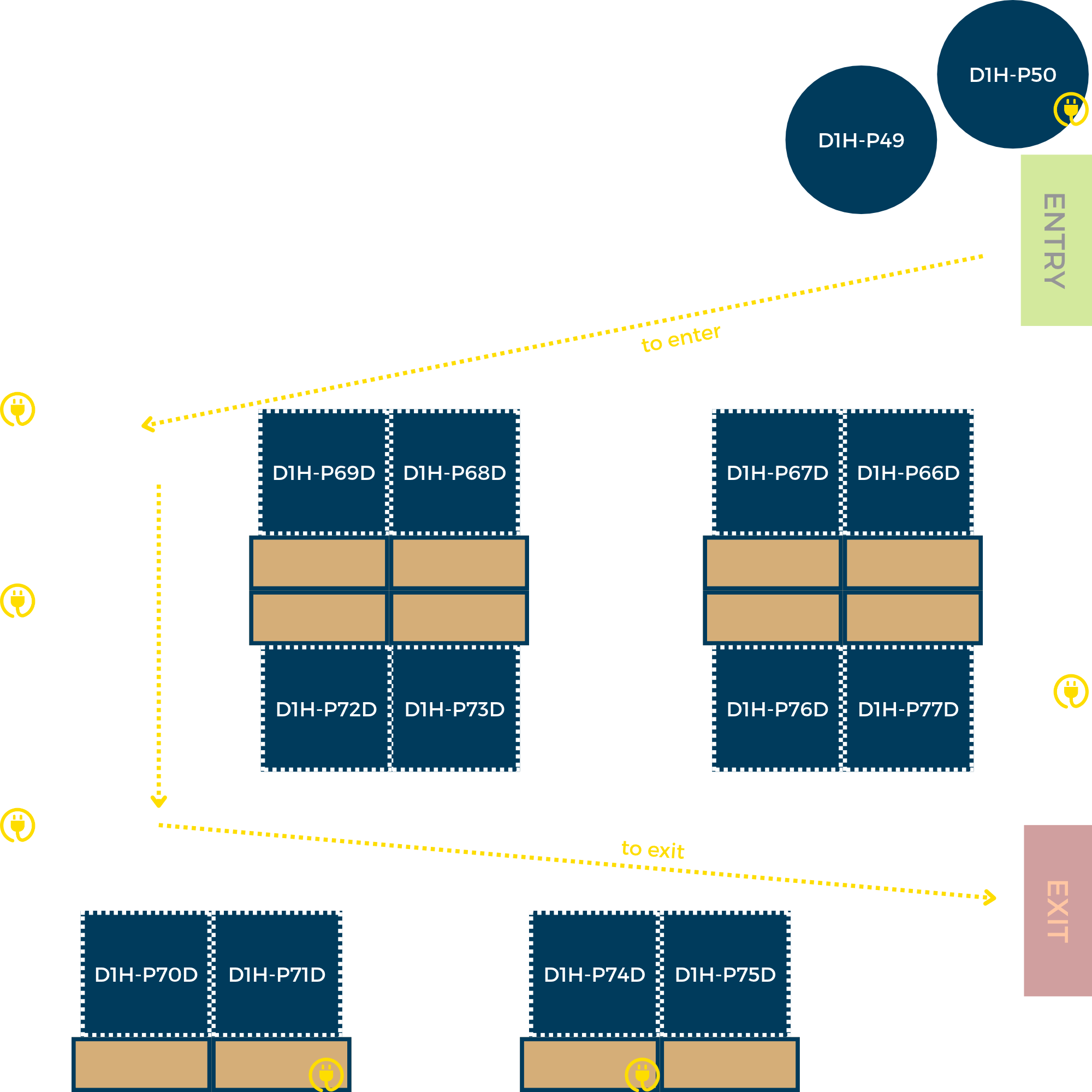
D1H-P66D
Predicting Mobility and Demographics from Large-Scale OpenCap Data
Andrew Zaman, Stanford University
Authors: Andrew Zaman, Carmichael Ong, Jennifer Hicks, Akshay Chaudhari, Scott Delp, Tian Tan
Human movement is a potential new vital sign for health and performance monitoring. While prior marker-based motion capture studies are costly and limited to tens or hundreds of participants, smartphone video coupled with markerless motion capture systems such as OpenCap unlocks measuring motion at unprecedented scale. We gathered large-scale, video-derived kinematics and trained a machine learning model to predict mobility status, sex, and age. The dataset included OpenCap recordings from 4.5K+ researchers: 38K+ participants and 340K+ trials spanning clinical to high-performance athlete assessments. Users self-reported sex, age, and optional mobility status; 30,375 left it blank and 5,512 reported athletic. We manually reviewed the mobility health conditions, keeping 1,344 high-confidence labels: stroke (540), knee osteoarthritis (275), Parkinson’s disease (248), muscular dystrophy (153), cerebral palsy (78), concussion (68), transfemoral amputation (65), and multiple sclerosis (30). We trained a generative diffusion model using the variable-length, multi-activity trials, while jointly optimizing a learnable, participant-specific motion embedding vector. These embeddings were inputs for downstream models predicting mobility, sex, and age, trained and tested on a 70/30 participant-level split. Across the ten imbalanced mobility classes, a support vector classifier reached 67.7% balanced accuracy versus 10% chance, performing best on concussion (87.5%), cerebral palsy (84.3%), and stroke hemiparesis (84.0%). The same classifier identified sex with 77.8% balanced accuracy, and an XGBoost regressor predicted age with mean absolute error of 9.9 years, showing the model encoded demographic structure relevant to normative comparison. These preliminary results support using video-derived kinematics to screen large populations for measuring mobility and performance deficits, offering a path toward disease detection, rehabilitation monitoring, and return-to-play assessment.
D1H-P67D
Improving Lower-Limb Exoskeleton Performance Through Trajectory Prediction
Max Burns, Stanford University
Authors: Max Burns, Maisha Khanum, Monroe Kennedy
Lower-limb exoskeletons can provide tailored assistance based on the type of terrain and motion the wearer would like to traverse. Common approaches require the user to begin the maneuver, and the system then adapts. In this work, we use robotic wearables to observe the users’ past motion and predict their intended motion for smoother exoskeleton control. We showcase our ongoing work to accurately predict human motion a few seconds in advance across different environments and terrains. Our system is lightweight for the user to wear and consists of smart glasses that can observe the surroundings and the user’s gaze, visual-inertial odometry motion trackers for limbs, and portable, lightweight computing. Our motion prediction system is being integrated with ankle and hip exoskeletons to assist in efficient and comfortable user motion.
Demo descriptions:
Demo 1: We use a pair of Meta Aria smart glasses to capture the head motion of a user and reconstruct the local environment, which is used to make real-time predictions of their future motion through the space. The 3D scene is projected to a birds-eye-view, which is used in a transformer-based diffusion model to generate future path predictions. This system provides an estimate of how a person will move through a space, with the goal of providing anticipatory support from an assistive device.
Demo 2: We use a set of body-mounted visual-inertial sensors to capture the real-time orientation and position of human body segments. These estimates are used with a biomechanical model of the human skeleton to provide estimates of body configuration outside of a lab space. This enables the collection of high-fidelity human motion data without a need for fixed motion capture cameras, enabling data collection for assistive devices and humanoid policy training in natural environments.
D1H-P68D
Video-based Markerless Motion Capture of Transtibial Amputee Sprinting
Sydney Covitz & Shannon Li, Stanford University
Authors: Sydney Covitz (contributed equally), Shannon Li (contributed equally), Sydney Barta, Scott Delp
Sydney Barta is a professional sprinter and six-time U.S. Paralympic Track and Field national champion, holds the T64 American record in the 200m dash, was the first para athlete to compete on the Stanford Track and Field Team, and is currently training to qualify for the LA 2028 Games. She sprints with a running specific prosthesis that consists of a carbon fiber socket and J-curve blade. The stiffness and shape of the blade affect speed, form, and injury risk. However, there is currently no quantitative method for athletes and their prosthetists to make simulation-guided, biomechanically-informed decisions about optimal blade parameters before purchase and customization. Therefore, the goals of this project are as follows: (1) combine video-based motion capture using OpenCap, 3D modeling of the prostheses, and markerless blade tracking to create and validate a digital model of Sydney sprinting on the track with stiffer and more compliant blades, (2) evaluate the effects of blade stiffness on running mechanics, (3) use simulations to analyze the influence of blade stiffness on joint loads, and (4) predict the blade stiffness that best balances speed and injury risk. We have developed reproducible infrastructure for producing a digital version of Sydney from synced videos we captured of her sprinting on an outdoor track using OpenCap. This method includes a custom OpenSim model with the prosthesis integrated and an automated pipeline for markerless tracking of the blade directly from the synced videos. From an OpenCap recording capturing the block start and first few strides of a 100m sprint, inverse kinematics incorporating the tracked blade keel tip achieved 2.3cm RMS marker tracking error, and we are currently working to tune marker weights to improve our results before investigating the effects of blade stiffness and moving onto simulation. We also aim to build on the current infrastructure to generalize our video-to-simulation pipeline to other athletes.
D1H-P69D
Wearable Ultrasound for Cardiovascular Digital Twins
Parker Ruth, Stanford University
Authors: Parker S. Ruth, Alisa Hathaway, Chloe Zhong, Milly Wong, Zack Martino, John Li, James Landay, Jeremy Dahl, Todd P. Coleman
Digital twins of the cardiovascular system could help scientists better understand how the heart and blood vessels respond to training, injury, disease, and aging. A digital twin would comprise a computational simulation of blood flow in the body’s major arteries that is tuned to match non-invasive measurements from an individual. Achieving this vision requires tools to approximate whole-body cardiovascular flow with a small degree of parameters that can be fitted with high-resolution wearable signals. This requires coordinated development of vascular modeling and sensor design. In this work, we propose combining the high resolution of ultrasound with the computational efficiency of lumped parameter vascular modeling. We explore a pipeline for fitting personalized cardiovascular lumped parameter models using recordings of arterial diameter waveforms from the radial artery in the wrist.
D1H-P70D
Leg Dexterity Training Reduces Drop-Test Dynamic Valgus in Amateur Women Athletes: A Pilot Study
Martino Porcu, University of Southern California
Authors: Martino Porcu, Giulia Zandri, Semia Beji, Majid Abbasi Sisara, Francisco Valero-Cuevas
Background
Excessive dynamic valgus (the coming together of the knees upon drop landing) is considered a risk factor for non-contact Anterior Cruciate Ligament (ACL) injuries of the knee—which disproportionately affect amateur athletes who are girls and women. Biomechanical coaching and targeted strength training have been proposed to reduce knee valgus in these populations.
Purpose / Objective
Considering that such injuries occur within 100 milliseconds after the foot contacts the ground during cutting and landing maneuvers, we tested the hypothesis that short-latency sensorimotor deficits may also play a role in contributing to biomechanical risk.
Methods
With the support of the Alliance, we recruited 17 females ages 18-25 to participate in single and double-leg ACL injury risk screening activities before and after training leg dexterity (the dynamic control of unstable foot-ground interactions). The training consisted of ten 10-second compressions at the edge of instability with each leg, while seated and at low forces, 3 times per week over a period of 8 weeks.
Results
We found that sensorimotor training alone improved maximum stabilized force (+18.5N, p<0.001) and reduced dynamic valgus in double-leg drop landings (p<0.01) and drop vertical jumps (p=0.05) beginning 70 milliseconds after foot contact. Peak knee flexion, landing stance width, and maximum height reached while jumping did not significantly change after training (p<0.25, p<0.816, p<0.431).
Conclusion
Thus, leg dexterity is a critical neuromechanical element in the mediation of knee function in athletes, and its training may serve as an effective tool to complement available methods to mitigate risk of ACL injury.
D1H-P71D
SINDyffuse: Sparse Biomechanical Guidance for Human Motion Generation
Nicholas King, UC San Diego
Authors: Nicholas C. King, Wenhao Ren, Vibhu Singh, Andrew D. McCulloch, Rose Yu
Generating realistic human motion from natural-language descriptions can support sports science, physical therapy, coaching, and performance analysis. Current SOTA models, however, often produce biomechanically implausible artifacts such as foot penetration, floating, and asymmetrical poses. Physics-based corrections can reduce these artifacts, but they typically require hand-designed constraints or expensive musculoskeletal simulation during generation. We present SINDyffuse, a text-to-motion diffusion model trained with a learned, prompt-conditioned biomechanical objective. HumanML3D motions are retargeted to the Rajagopal lower-extremity musculoskeletal model. For each motion window we construct a 120-channel target that consists of differentiable constraints that cover contact and ground-reaction consistency, inverse-dynamics effort, joint limits, gait symmetry, and related proxies, plus muscle activations estimated through a surrogate model. Inspired by sparse identification of nonlinear dynamics (SINDy), a text-conditioned coefficient model selects prompt-relevant relationships between locomotion and contact features and these targets, yielding interpretable guidance for different actions. The resulting consistency loss regularizes predicted motion during training, while generation uses a standard diffusion sampler and does not require inverse kinematics or an OpenSim solve. On HumanML3D, SINDyffuse improves textual alignment (R-Precision Top-1 0.514 and FID 0.180) while reducing contact artifacts (foot penetration 0.132 cm and floating 0.291 cm) and improving kinematic fidelity (0.714), with locomotion speed close to reference (0.403 vs. 0.414 m/s). These results suggest that prompt-aware musculoskeletal supervision during training can produce more physically plausible motion for performance applications without online physics optimization.
D1H-P72D
Lower Body Strength, Vertical Jump, and Change of Direction in Male Basketball Players
Angeleau Scott, University of Kansas
Authors: Angeleau A. Scott, Ramsey Nijem, Yang Yang, Joseph M. DeLeo, Samuel M. Norwood, Ezekiel Mateo, Minh Nguyen, Joe C. Eisenmann, Thayne A. Munce
INTRODUCTION: The sport of basketball requires athletes to perform multidirectional movements including jumping, sprinting, accelerating, and decelerating. Currently, there is limited research on how lower body strength and power affect change of direction (COD) ability in basketball players. PURPOSE: This study quantified the contributions of isometric hip and hamstring strength and countermovement vertical jump (CMJ) variables to COD ability in collegiate male basketball players. METHODS: Thirteen male Division I collegiate basketball players (age = 20.2 ± 1.4 years; height = 198.1 ± 6.5 cm; body mass = 92.8 ± 9.4 kg) performed two trials of 5-second maximal isometric contractions for hip abduction (abd) and adduction (add), isometric hamstring testing in three prone positions (0°, 30°, and 60°), and three trials of hands-on-hips CMJs. On a separate day, athletes performed two different COD tasks: the lane agility drill (LAD) and reactive pro agility (RPA), which were performed in a randomized order. Principal Component Analysis (PCA) was used to reduce the dimensionality of the predictor variables and multiple linear regression (MLR) were used to determine the contributions of strength and CMJ variables to COD ability. RESULTS: PCA revealed that the first two components explained 81.2% of the variance in lower-body force variables (PC1: 69.5%, PC2: 11.7%). PC1 had uniform loading contributions of ~22.4% per hamstring group and ~16.5% from hip abd and add each. PC2 had the largest loading contributions hip abd (62.1%) and ISO 30° left hamstring strength (26.8%). MLR yielded that none of the predictor variables significantly contributed to COD performance. CONCLUSION: Select measures of hip abd and add strength and vertical jump force-time metrics were not predictive of COD ability in male collegiate basketball players.
D1H-P73D
In-Shoe Plantar Shear Sensing for Understanding Human Movement and Injury Risk
Xun Yu, University of Oregon
Authors: Xun Yu, Michael McGeehan, Keat Ghee Ong
Plantar shear forces are an important but difficult-to-measure component of foot-ground interaction. While plantar pressure is widely used to characterize loading during movement, shear forces along the foot surface may provide complementary information about propulsion, movement patterns, and localized tissue loading. Continuously measuring these forces within footwear could provide a new tool for studying human movement and understanding loading patterns associated with injury risk. We are developing a compact, wireless in-shoe system for measuring localized, multi-directional plantar shear forces during movement. The system uses optical sensing to track small relative displacements at high-shear plantar regions and converts these responses into calibrated shear forces. This approach is designed to reduce challenges of conventional resistive and capacitive sensors, including signal drift, mechanical hysteresis, and environmental sensitivity, while maintaining a small profile and low power consumption. The current prototype integrates three thin optical sensing units at selected plantar locations. The sensors connect to a compact, battery-powered electronic module that coordinates data acquisition and uses Bluetooth Low Energy (BLE) to transmit measurements to a smart device. This wearable configuration enables simultaneous measurement from multiple foot regions without tethering the user to external instrumentation. Real-time visualization can show when, where, and in what direction plantar shear occurs during movement. Making plantar shear measurable within footwear could reveal aspects of foot-ground interaction not captured by plantar pressure alone. Potential applications include human movement research, footwear evaluation, rehabilitation, and investigation of shear-related tissue loading and injury risk. The symposium demonstration will show the prototype and real-time wireless measurement of localized plantar shear.
D1H-P74D
Preconditioning Myoblasts in Anisotropic Engineered Hydrogels for Muscle Injury Treatment
David Johnson, University of Oregon
Authors: David L. Johnson, Nick J. Willett, and Danielle S.W. Benoit
Muscle injuries are among the most common injuries in sport, requiring extensive rehabilitation and prolonged time away from competition. Current tissue engineered therapeutics fail to recreate the native anisotropic architecture that guides muscle regeneration. To address this challenge, we developed an anisotropic poly(ethylene glycol) (PEG)-based engineered extracellular matrix (eECM) comprised of four-arm PEG-maleimide (20 kDa, 4 wt%) and eight-arm PEG-norbornene (20 kDa, 0.3 wt%), the matrix-metalloproteinase degradable bis-cysteine crosslinker GKKCGPQG↓IWGQCKKG, and the cell-adhesive ligand GCGRGDSG. The degradability enables cell-mediated remodeling, while the adhesive peptide facilitates intracellular transduction of anisotropic cues. Anisotropy is introduced by two-stage polymerization; a partially crosslinked network formed by Michael addition is mechanically stretched, then photopolymerized. We hypothesized that this anisotropic, degradable eECM should enhance myogenic progenitor cell (MPC) survival and alignment, which will allow mature myofiber formation essential for treatment of muscle injuries.
Hydrogel anisotropy was measured by tensile testing, with a 1.6-fold greater modulus in the parallel direction [9.2 kPa] than the perpendicular direction [5.6 kPa]. Primary MPCs at 4×10^6 cells/mL were encapsulated in eECM formed with (anisotropic) or without strain (isotropic). Viability was comparable at day 6 in isotropic (80±7% viable) and anisotropic (83±11% viable) hydrogels, but only the anisotropic gels-maintained viability through day 14 (50±10% vs 70±3%; n=5/group). Anisotropic gels increased cellular alignment compared to its isotropic gels (alignment score: 0.66±0.03 vs 0.27±0.09; n=5/group) and fusion index at day 14 (fusion index: 22±8 versus 7±4; n=5/group). Aligned, degradable eECMs can therefore precondition MPCs toward myofiber formation, a strategy now being evaluated in a murine muscle injury model.
D1H-P75D
A Method for Retrospective Muscle Stiffness Extraction from 2D Ultrasound Images
Aiden Rinehart, University of Oregon
Authors: Aiden C. Rinehart, Hans C. Dreyer, Michael E. Hahn
Shear wave elastography (SWE) of muscle reports regional stiffness values (Young’s modulus, shear modulus, shear wave velocity) as color map overlays on B-mode DICOM images, but converting those overlays back to exact native stiffness values generally requires expensive manufacturer software. Researchers without a license rely on protocols that manually place a region of interest (ROI), an operator-dependent approach vulnerable to noise and fascial artifacts that may not reflect true muscle stiffness values. We developed a tool that extracts the SWE overlay from the DICOM images, decoding pixel color to Young’s modulus using the embedded scale bar. The SWE extraction tool was validated using 153 SWE B-mode DICOM images (78 transverse, 75 longitudinal) from 13 participants’ vastus lateralis muscle. Young’s modulus stiffness values calculated from the decoder were compared to measurements reported by the ultrasound scanner’s standard software (Philips EPIQ 7G). A Bland-Altman analysis found a mean bias of 0.00 kPa (p = 0.78), with 95% limits of agreement of -0.35 to 0.36 kPa, a standard deviation of 0.18 kPa, and a coefficient of variation of 0.67% across a 13-44 kPa range. Our results reveal that the color map decoder recovers scanner-reported stiffness values with lower variation than the biological differences these measurements are used to detect, therefore improving accuracy and access to quantitative SWE analysis. The method runs retrospectively on stored DICOMs, allowing for collected image archives that lack native data to be analyzed. Additionally, we are extending the tool toward automated ROI placement, which would reduce operator burden in muscle stiffness characterization. This novel SWE extraction tool may lower the cost and variability of measuring regional muscle stiffness, making SWE more practical for tracking muscle adaptations, structural properties, and injury risk across varying study designs and research applications.
D1H-P76D
EAA and BFR Treatment Prior to Eccentric Damage: The Role of Myonuclei
Helia Megowan, University of Oregon
Authors: Helia G. Megowan, Kian Collins, Nadia Awwad, Lillian Whittle, Sophia Burden, Lia Godino, Mahathi Sridhar, Michael E. Hahn, Hans C. Dreyer
Introduction. Skeletal muscle fibers are multinucleated syncytia containing myonuclei derived from satellite cell fusion. Each myonucleus regulates a finite cytoplasmic volume, or myonuclear domain, and thus may influence fiber size and function. Domain size is smaller in slow-twitch type I than type II fibers and correlates with myofiber cross-sectional area (CSA). Increasing myonuclear content enhances protein synthesis and remodeling, whereas limiting myonuclear accretion impairs hypertrophy and repair. Because aging, injury, and disuse reduce fiber size, ribosomal biogenesis, and protein production, this study examined myonuclear and nucleolar responses to an anabolic intervention followed by eccentric damage and immobilization. Methods. Participants were randomized to control or treatment groups and underwent a baseline biopsy and sports biomechanics assessment. The treatment group completed two weeks of essential amino acid and blood flow restriction (EAA+BFR) training, consisting of 10 BFR exercise sessions and 60 g of EAA daily; controls received no intervention. Both groups then performed electrically stimulated maximal eccentric exercise followed by three days of immobilization plus non-weightbearing. Biopsies were obtained 3, 10, and 30 days after immobilization. Biomechanical and strength measures were collected concurrently. Immunohistochemistry of isolated single fibers and muscle cross-sections was used to quantify myonuclei, nucleoli, nuclear and nucleolar morphology, and fiber size. Results. To date, five control and eight treatment participants have completed the study. Enrollment, data collection, and analysis are ongoing. Discussion. This study will determine whether EAA+BFR protects against eccentric muscle damage and immobilization and will characterize myonuclear and nucleolar structural and functional adaptations during recovery.
D1H-P77D
WHAT IF: Towards Mobile Data-based Generative Models for Athlete Digital Twins.
Narayan Schuetz, Stanford University
Authors: Narayan Schuetz, Anders Johnson, Dan Seung Kim, Ehsan Adeli, Euan Ashley
Every human body is unique, making it difficult to predict how specific lifestyle or training choices will impact future recovery. For example, would working out earlier in the morning with greater intensity lead to better recovery? Unlike current approaches that rely on trial and error, the goal of this project is to build simulators based on wearable data to test these types of “what-if” scenarios, allowing athletes to estimate potential outcomes before implementing changes. Towards this end, we are collecting longitudinal data from ELITE athletes while consolidating a comprehensive, multi-device, multi-country wearable dataset to build generative models capable of simulating human lifestyle, physiology, and behavioral patterns. We present first results of what works, what does not, and what comes next.
Questions? Contact us at [email protected]
Get Engaged
Join our mailing list to receive the latest information and updates on the Wu Tsai Human Performance Alliance.